
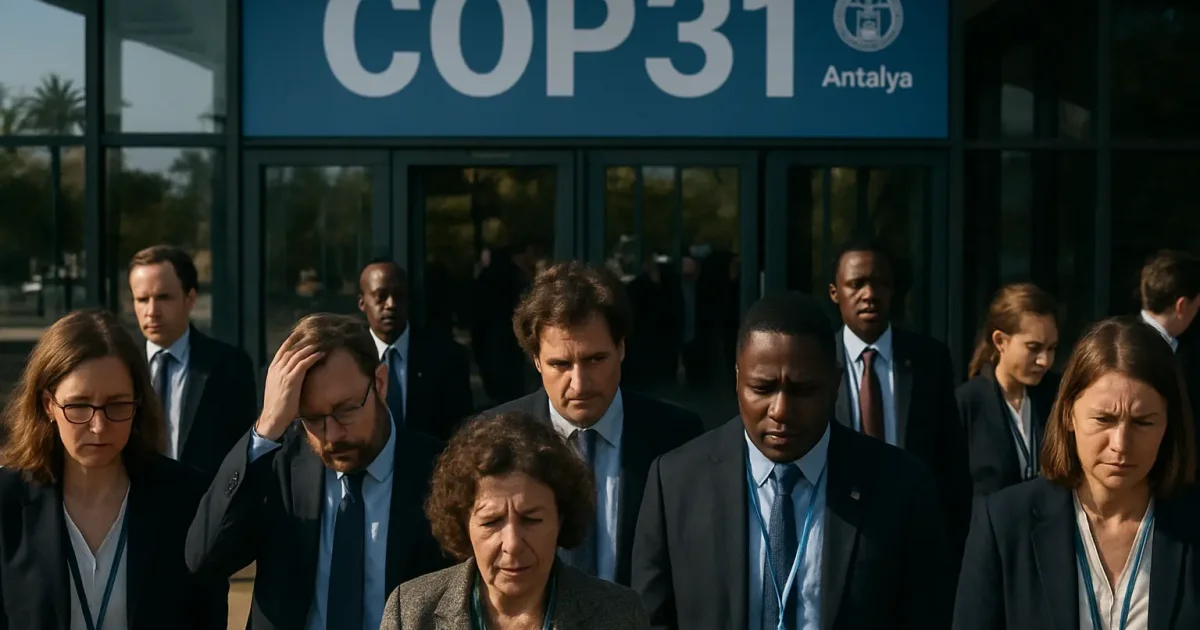
Nearly 200 nations left COP31 in Antalya without a deal on Sunday after the EU and others rejected a final text that made no mention of fossil fuels.
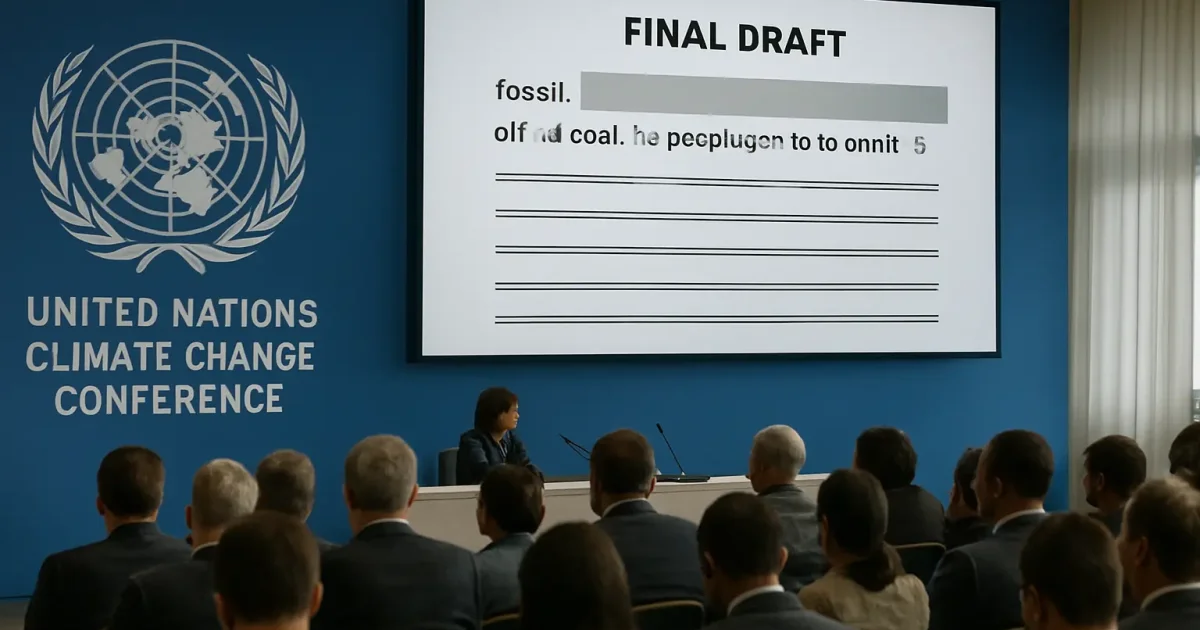
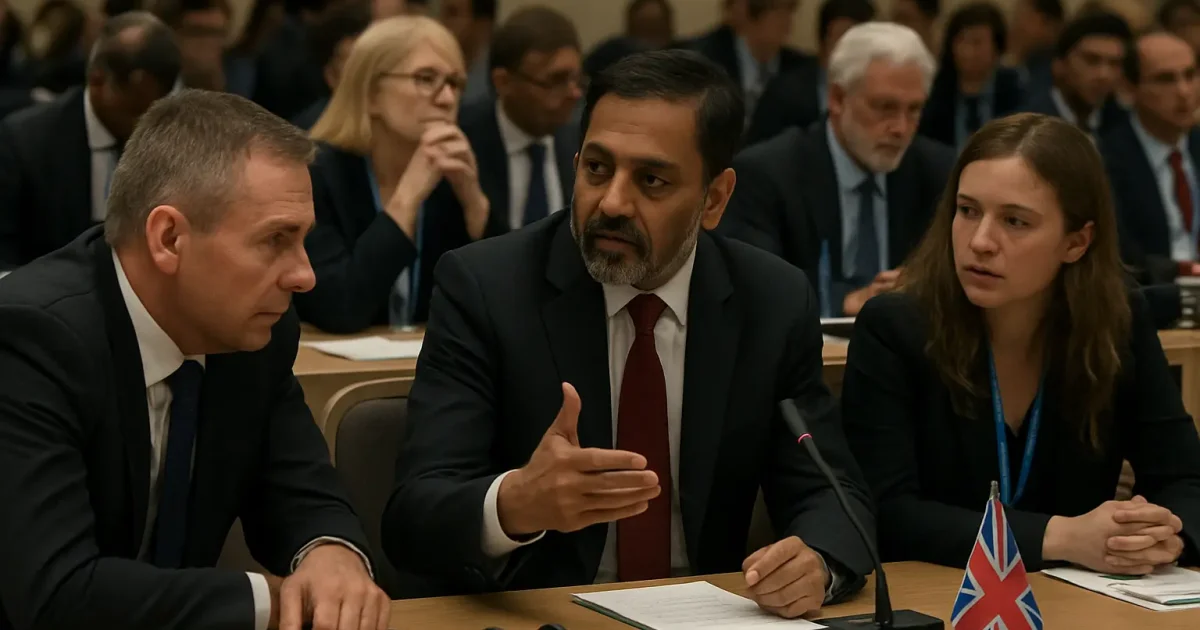
The UN climate summit in Antalya, Türkiye, ended on Sunday without an overarching agreement after nearly 200 countries failed to reach consensus on a final text, according to Middle East Eye and the Inter Press Service. The proposed "Antalya Pact" recalled the 2023 Dubai outcome but did not mention a transition away from fossil fuels. The European Union, Panama, the Marshall Islands, Norway and Vanuatu were among the parties that objected in the closing plenary, and Britain said the text moved the world backwards. COP31 President Murat Kurum, Türkiye's environment minister, told delegates there was no consensus and that the decisions had therefore not been adopted. The talks ran two days past their Friday deadline.
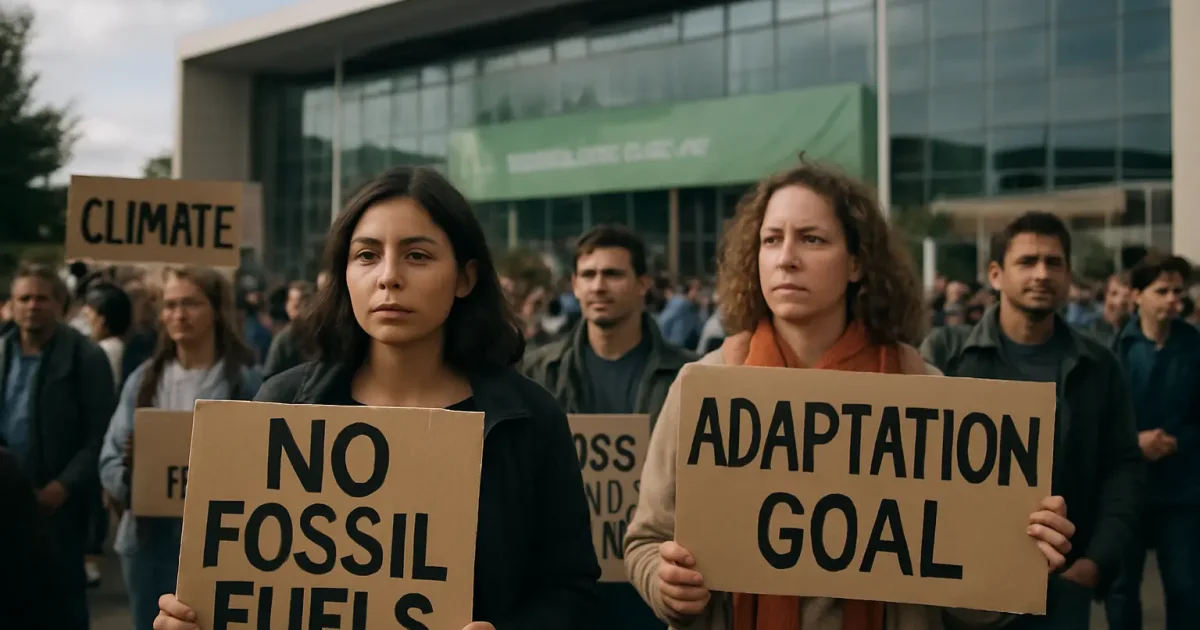
The dispute centred on language that appeared in an early draft and was later removed. A coalition of more than 130 countries had pushed to reaffirm the COP28 pledge to transition away from fossil fuels, while Saudi Arabia and other oil producers opposed stronger commitments, IPS reported. Ireland's climate minister Darragh O'Brien, speaking for the EU, said the bloc would not endorse a decision that "does not even mention fossil fuels." Developing countries and campaigners were also angry that a proposed figure of at least $120 billion a year in adaptation finance by 2035 was dropped. UN Secretary-General António Guterres said he was "deeply disappointed" and added that while there may be no consensus in the room, "there is no ambiguity in the science."
Some separate decisions survived, according to Down To Earth, including work on a just transition, the Adaptation Fund, carbon markets and transparency rules, though the structure of a new just transition mechanism was deferred. The unresolved questions now pass to COP32 in Addis Ababa, Ethiopia, with intermediate negotiations scheduled in Bonn in June 2027. An adaptation finance roadmap named after Antalya and Addis Ababa was part of the rejected text, which leaves its future unclear. Some observers compared the outcome to the failed Copenhagen summit of 2009, while campaigners such as Harjeet Singh argued that no deal was better than one that locked in failure. Vulnerable countries now want to see whether governments can rebuild trust before Bonn.