University of Iowa-led analysis of Juno data, published in Nature Communications, reports that Jupiter slows the solar wind with multi-frequency plasma waves and shocklets, unlike Earth's simpler bow shock.
NASA's Juno spacecraft has returned the most detailed observations yet of Jupiter's bow shock, the invisible boundary where the solar wind meets the giant planet's magnetic environment, according to a University of Iowa-led study. The research, titled "Plasma wave observations from Juno spacecraft at the Jovian bow shock", was published online on July 31 in Nature Communications and draws on measurements Juno collected in December 2024. Juno has orbited Jupiter since July 2016, and a key part of the analysis came from its Juno Waves instrument, which was designed and built by physicists at the University of Iowa.
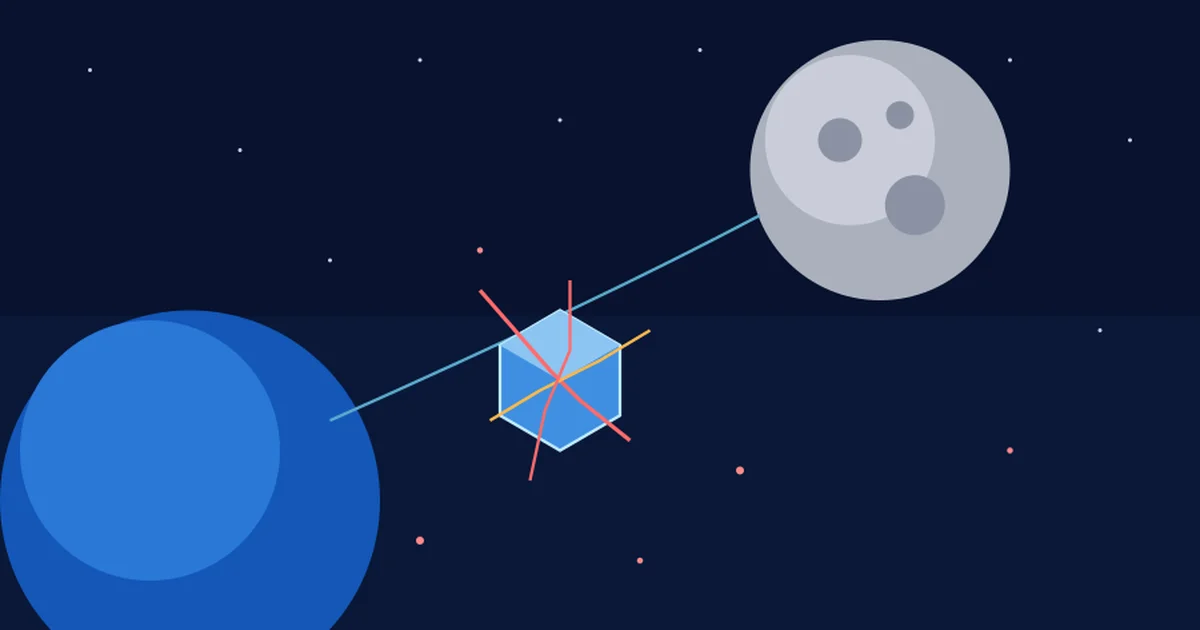
The team reports that Jupiter relies on plasma waves containing several frequencies, known as harmonics, to slow and heat incoming solar particles, whereas Earth's bow shock mainly uses waves concentrated around a single frequency. "Jupiter has found its own way to deal with the solar wind, through plasma waves that are stronger and exhibit richer harmonic structures," said Jayasri Joseph, the study's corresponding author, adding that multiple frequencies can heat more particles and slow them down. The researchers also found smaller shock structures called shocklets that slow the solar wind before it reaches Jupiter's main bow shock, an extra step that Earth does not generally need. Coauthor Bill Kurth said Earth does not need these steps because the impact of the solar wind is not as powerful there.
The authors say the results matter beyond Jupiter, because the physical processes that convert flow energy into heat and energetic particles also operate in far more powerful shocks, such as those around supernova remnants. Joseph described Jupiter's bow shock as a nearby natural laboratory for studying how nature performs that conversion. Earlier spacecraft had detected bow shocks at the outer planets but lacked the measurements needed to resolve the detailed structure of the plasma waves involved. The findings were reported by the University of Iowa and relayed by ScienceDaily; they come from a single research team's analysis and have not been independently replicated in the material reviewed here.