
Final results leave Luxon's coalition one seat short of a majority in New Zealand's 130-seat parliament, making the centrist Opportunity Party the kingmaker.
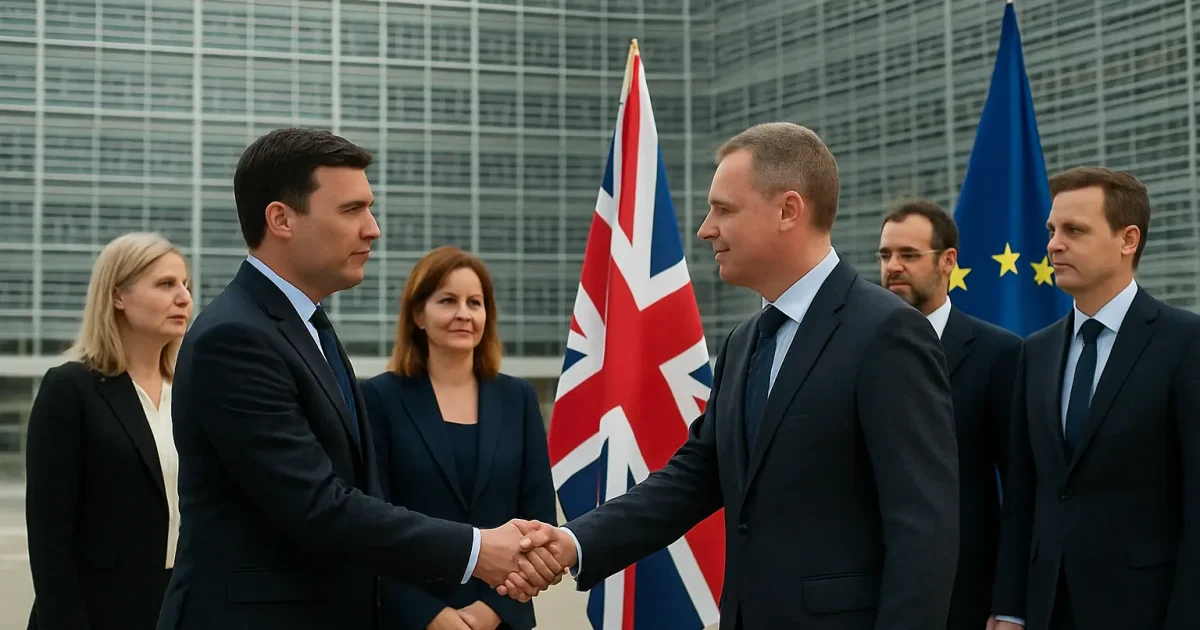
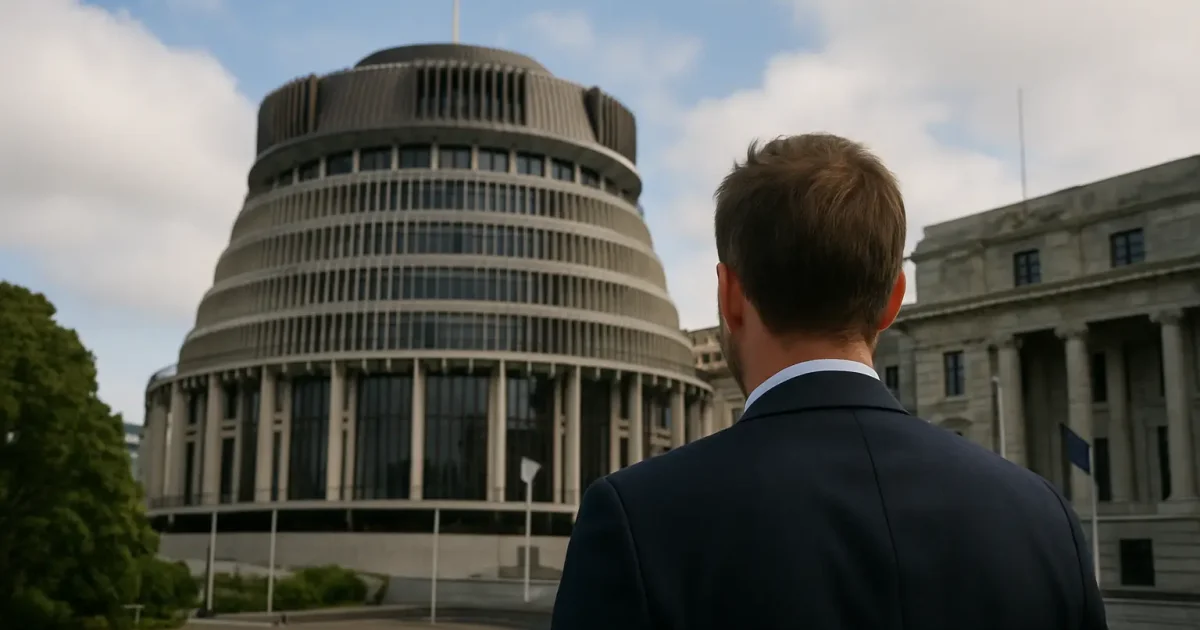
New Zealand's general election has produced a hung parliament, according to final results released by the Electoral Commission on Friday. Prime Minister Christopher Luxon's coalition of National, ACT and NZ First won 65 seats in an enlarged 130-seat house, one short of the 66 needed for a majority. On the preliminary count after the November 7 vote, the coalition had a two-seat majority. The left-leaning bloc of Labour, the Greens and Te Pāti Māori finished with 58 seats. National dropped from 42 to 40 seats after Labour took Hamilton East by 173 votes and Wairarapa by 81 votes, Pacific Media Network reported. Labour won the party vote with 29.9% to National's 28.4%, but National's electorate wins kept it the largest party.
The shift came from nearly 485,000 special votes, including about 99,000 cast by New Zealanders abroad, which are counted after election night. The Greens also took Wellington Bays from Labour. Parliament carries 10 overhang seats because National and Te Pāti Māori won more electorates than their party vote entitled them to. That arithmetic hands the deciding role to the Opportunity Party, a centrist newcomer with seven seats led by Qiulae Wong, a 38-year-old former business consultant. With Opportunity, Luxon's bloc would reach 72 seats, while Labour's side would reach only 65. Wong said this month she was willing to talk to either side. Luxon told reporters the talks "may be challenging, and they could take some time."
Candidates have until Wednesday, December 2, to apply for judicial recounts, and Xinhua reported that the tight results in Wairarapa and Hamilton East could face recounts. If none is sought, the Electoral Commission will return the writ and declare list MPs elected on December 3. Luxon must then win Opportunity's support, either in a coalition or through a confidence-and-supply deal, and a minority government remains possible. Wong has said her party wants a stable government and has not ruled out another election. Experts cited by Australia's public broadcaster said a failed deal could send voters back to the polls. Turnout was 77.2%, down from 78.2% in 2023.