
About 47,000 women and girls were killed by partners or family members in 2025, UN data shows, with Africa recording the highest toll and the highest rate.
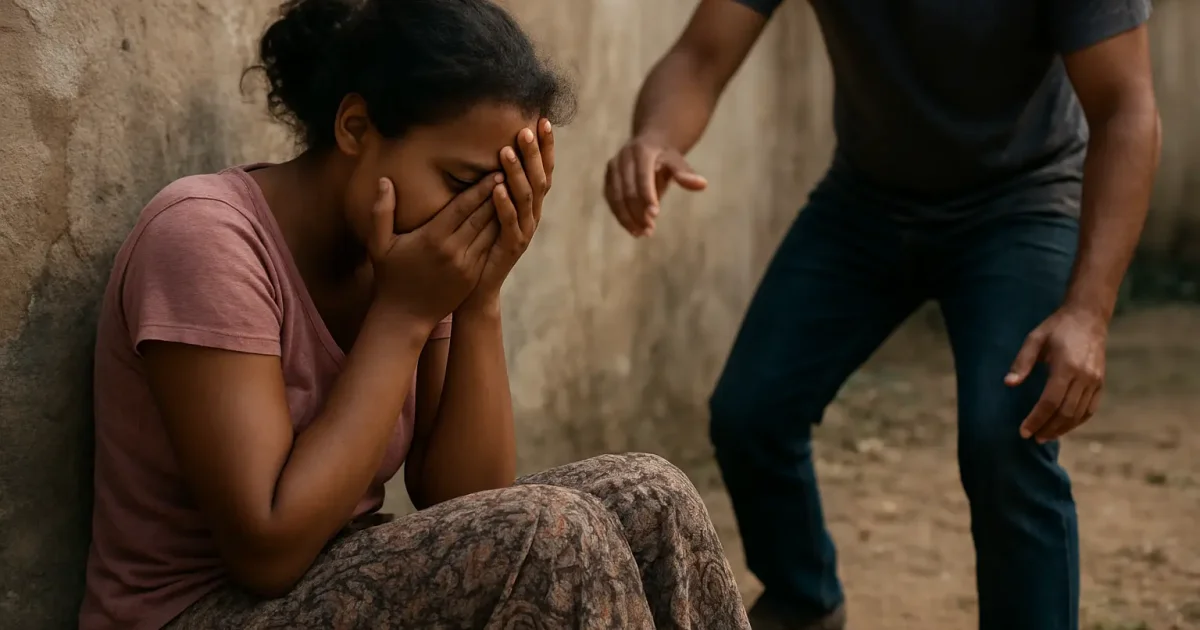
About 47,000 women and girls were killed by an intimate partner or a family member in 2025, according to new estimates from UN Women and the UN Office on Drugs and Crime (UNODC). That is roughly 129 deaths a day, or about five every hour. The 2026 Femicide Brief, released on Tuesday ahead of the International Day for the Elimination of Violence against Women on 25 November, found that 78,000 women and girls were victims of intentional homicide last year, and about 60 percent of them died at the hands of someone close to them. Africa recorded the largest toll with 22,100 victims, followed by Asia with 15,100, the Americas with 7,400, Europe with 2,100 and Oceania with 300, AFP reported.
The agencies said the home remains the most dangerous place for women and girls, a pattern that has barely changed in years. The 2025 figure is lower than the 2024 estimate of about 50,000, but UN Women said the gap mostly reflects better data rather than a real fall; annual totals have moved between 45,000 and 51,000 in recent years. Africa also has the highest rate, at 2.9 victims per 100,000 women and girls, against 0.5 in Europe. Overall homicide rates have dropped, yet femicide has fallen more slowly, especially in the Americas and Europe. UNODC chief Monica Juma said harmful attitudes, social norms and weak institutional safeguards make such killings appear tolerable.
UN Women executive director Sima Bahous urged governments to make sure women can report violence safely and receive protection and support before it is too late. The report says most victims never seek help, and many killers are never brought to justice. The agencies want prevention programmes that cover wider family structures, not only couples, along with specialised work with perpetrators. The estimate draws on data from 122 countries and territories, and the UN warns that killings of women outside the home, including those linked to organised crime or trafficking, remain poorly measured. The findings come as the annual 16 days of activism against gender-based violence begin, running until 10 December.