
UNESCO's heritage committee meets in Xiamen from 30 November to 5 December to examine 63 bids, including Moroccan files on the oud and esparto weaving.
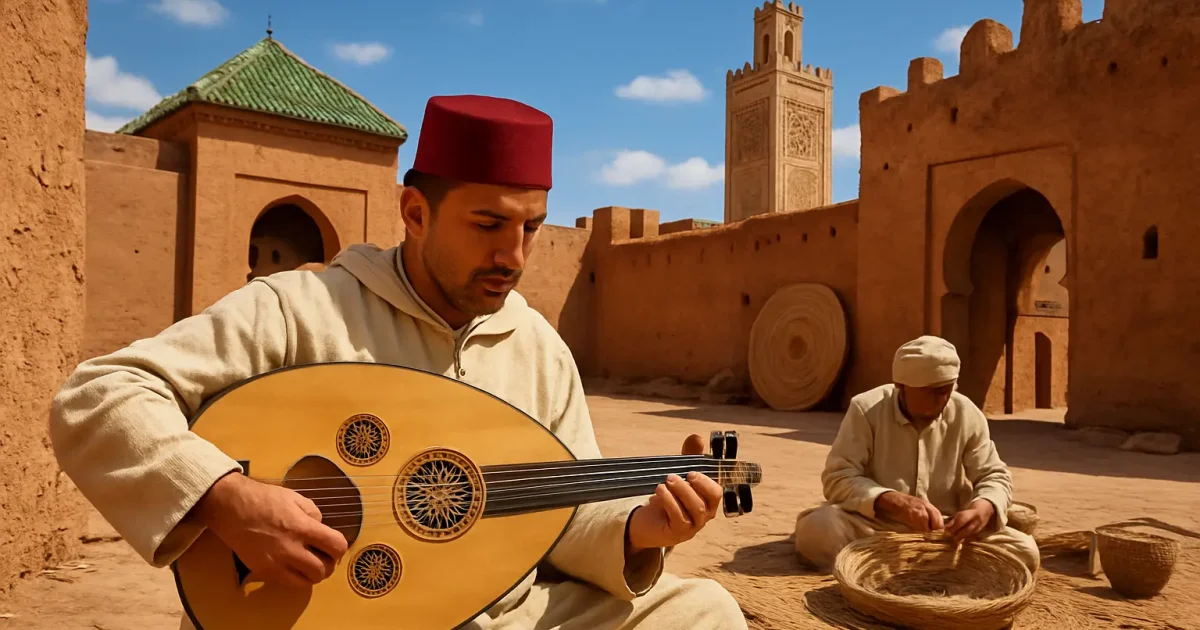
UNESCO's Intergovernmental Committee for the Safeguarding of the Intangible Cultural Heritage opens its 21st session in Xiamen, China, on 30 November and runs until 5 December 2026, chaired by Gao Zheng, China's vice-minister of culture and tourism. According to the agenda published by UNESCO, the committee will examine four nominations for the List of Intangible Cultural Heritage in Need of Urgent Safeguarding, 59 for the Representative List and one request to move an element between lists. Morocco has a stake in several files. A joint bid with Spain on sparterie, the knowledge and skills of working esparto grass, is seeking urgent protection, while Morocco and 15 other Arab states have submitted the oud and its performing arts, as well as Al Saafiyat, a file on crafts made from plant fibres.
The 2003 Convention behind these lists protects living practices rather than buildings: songs, crafts, rituals, festive events and food knowledge that communities pass from one generation to the next. The urgent list is reserved for traditions whose transmission faces serious threats, which sets the Spanish-Moroccan file apart from most bids this year. The oud nomination, according to Morocco World News, covers instrument making, performance, songs and the skills handed down through apprenticeships and music schools. Morocco already counts Gnawa and the cultural space of Jemaa el-Fna square in Marrakech among its inscribed elements. Other files on the table include Chinese cuisine, Japanese shodo calligraphy, Spain's jota, Palestine's Ka'ak Al-Quds sesame bread and the Christmas Eve celebrations shared by Lithuania, Poland and Ukraine.
Decisions are taken file by file during the six-day meeting, following an indicative order that UNESCO published on 4 November, so the exact day for each Moroccan bid may shift. The session documents, nomination forms and films are available on UNESCO's intangible heritage website, where the outcomes are posted as they are adopted. An inscription does not change how visitors experience a tradition, but it often brings attention to craftspeople, musicians and local festivals, so travellers drawn to oud music or esparto weaving should check current event listings before planning a trip. Looking further ahead, Morocco is preparing a multinational bid on Arabian horse traditions for 2027, and in June UNESCO approved 10,000 dollars to help it prepare a nomination on khettaras, the country's underground irrigation channels.