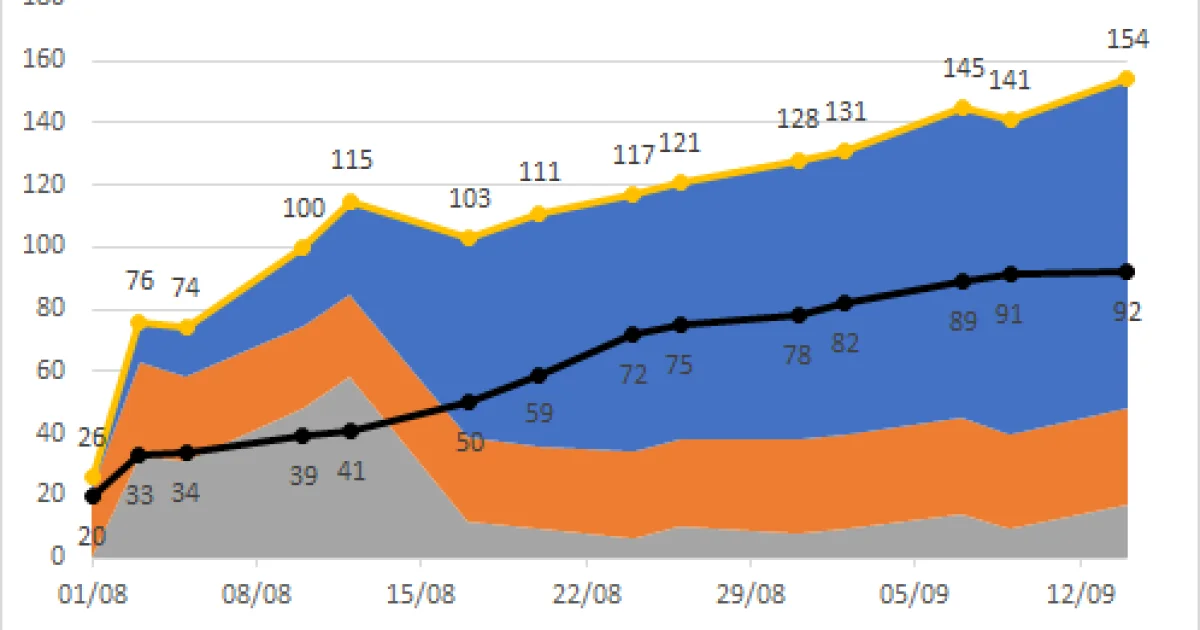


Africa CDC says the outbreak has killed 5,376 people, almost all in Congo, while Tedros Adhanom Ghebreyesus told Geneva talks that the unfinished pathogen-sharing system is a test of global preparedness.
Africa's latest Ebola outbreak has killed 5,376 people, according to the Africa Centres for Disease Control and Prevention, which gave the figure to AFP on Monday. Of those deaths, 5,372 were in the Democratic Republic of Congo and two each in Kenya and Uganda. Congo's latest data, dated 31 October, show more than 10,000 people infected since the outbreak began in May, with a fatality rate above 50 per cent. Euronews describes it as the fastest-growing and most widespread Ebola epidemic on record. The figures come from health authorities and are reported through news agencies, so they may be revised as surveillance and reporting catch up.
The disease is caused by the rare Bundibugyo virus, which has no approved vaccine or treatment, and it has crossed borders. Uganda recorded 20 cases, almost all in people who had travelled from Congo, before being declared Ebola-free in August. In October Kenya reported nine infections, the first Ebola cases in its history, and Nigeria reported one case involving a 42-year-old Swiss woman who had travelled to Uganda before returning to Abuja. Clinical trials of the Ervebo vaccine, which has proved effective against the more common Zaire strain, have begun in recent weeks, though it is not approved for Bundibugyo.
Against that backdrop, World Health Organization chief Tedros Adhanom Ghebreyesus told a negotiating meeting in Geneva on Monday that outbreaks such as the Ebola epidemic in Congo and an earlier hantavirus outbreak this year show why the pandemic treaty must be completed. Countries adopted the Pandemic Agreement in May 2025 but left unresolved how its Pathogen Access and Benefit-Sharing system will work, meaning how dangerous pathogens are obtained and how resulting vaccines, tests and treatments are distributed. Wealthy and developing nations remain at odds over that mechanism. Tedros said a threat anywhere can become a threat everywhere, and WHO Europe director Hans Kluge, who is running for director-general, said the world cannot repeat the inequalities seen during COVID-19.