The IEA's World Energy Outlook, out on Thursday, says the Hormuz blockade dwarfs the 1970s oil shocks and leaves consumers paying more of the cost.
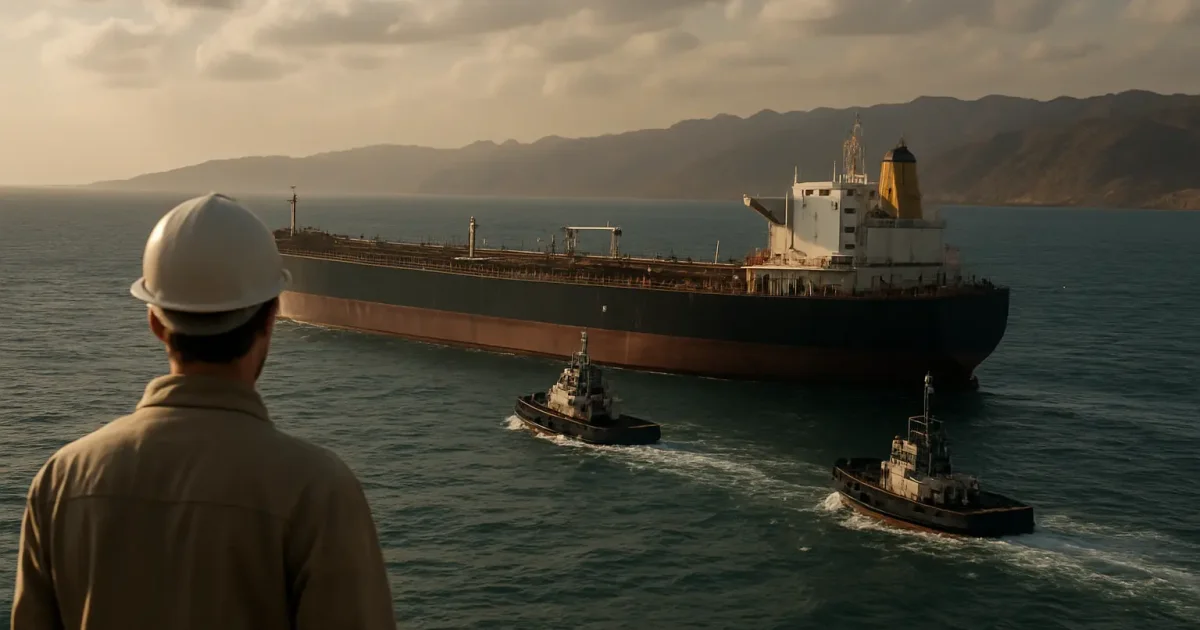
The International Energy Agency said on Thursday that the crisis around the Strait of Hormuz has created the largest threat to energy security in history. The warning opens its flagship World Energy Outlook, published on 19 November. In the foreword, executive director Fatih Birol wrote that the disruption "dwarfs the scale of the oil shocks of the 1970s", according to AFP. Before the crisis, about 20 million barrels of oil a day, roughly a fifth of global oil shipments, passed through the strait. The agency said producers and governments are running out of ways to cushion the blow, so consumers are increasingly absorbing it through higher prices and, in some countries, supply shortfalls.
The crisis began in February after US and Israeli strikes on Iran. Tehran then blockaded the waterway and targeted tankers, leaving Gulf exporters struggling to ship their oil. Washington has tried to escort vessels through the channel, but supply lines remain badly disrupted. Producing countries have added barrels and switched to alternative routes, while China has cut its purchases on international markets, Birol said. His tone has hardened since July, when he pointed to several cushioning factors in the oil market. He now says he sees no credible pathway for the energy world to return to the way it was before.
The report adds two new scenarios for a prolonged Middle East crisis. If shipping through Hormuz stays risky, the IEA projects flows falling to 8.5 million barrels a day in 2030 and below 2 million by 2035, as pipelines and other suppliers take over, Electrek reported. In the agency's central scenario, global oil demand peaks around 2030 and gas demand keeps rising until about 2035. Electricity approaches 30% of world energy use by 2035 in each of the exploratory scenarios. The outlook arrives as COP31 climate talks get under way in Turkey. "The longer the crisis lasts, the deeper the effects will be," Birol warned.