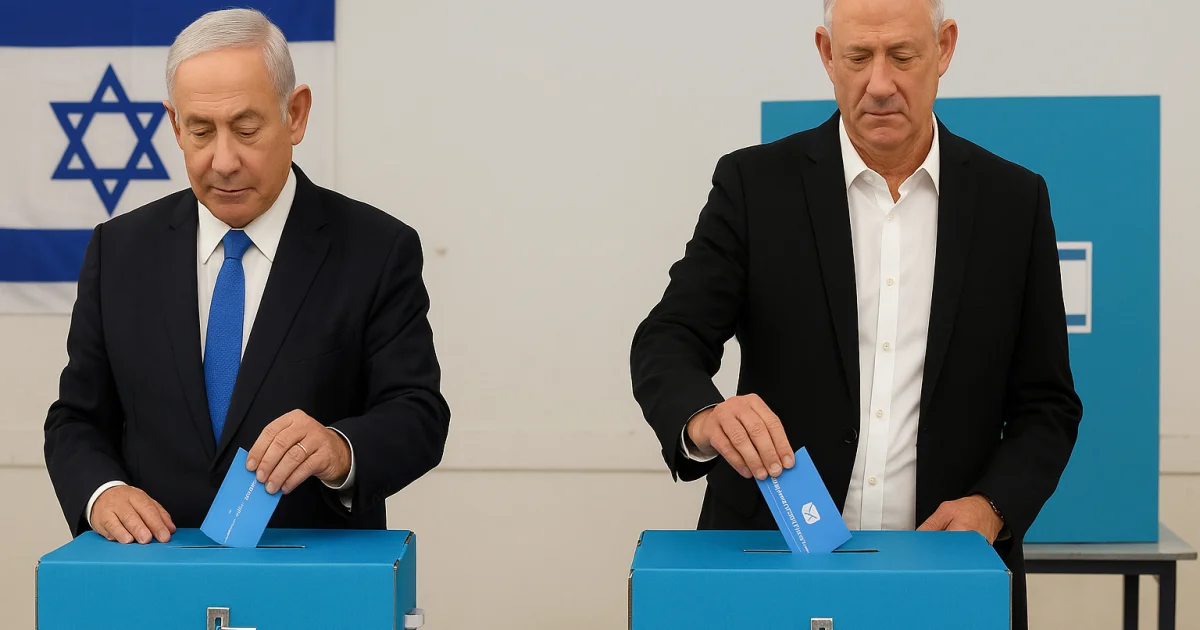
Exit polls after Israel's record-turnout vote suggest neither Benjamin Netanyahu's bloc nor Gadi Eisenkot's opposition has a majority, with Arab-majority parties reported to be making strong gains, according to Euronews and France 24.
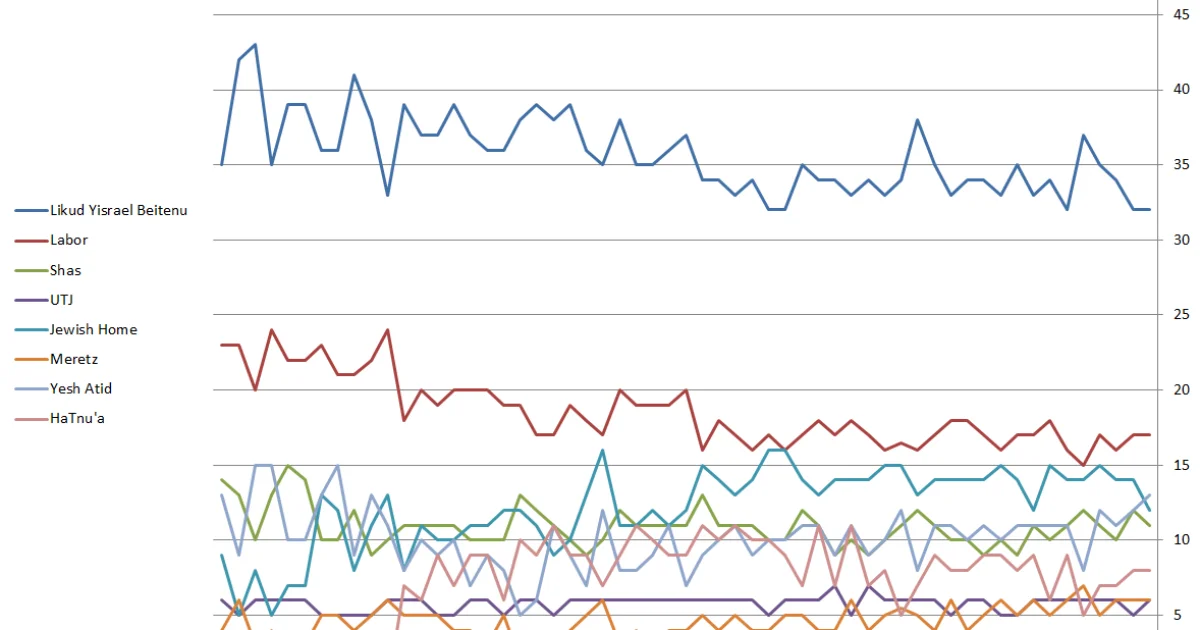
Exit polls released after voting closed at 10pm on Tuesday 27 October suggested that Israel's first national election since Hamas' 7 October 2023 attack has produced no clear victor. Euronews reported that neither Prime Minister Benjamin Netanyahu nor his main rival, former army chief Gadi Eisenkot, appeared to have reached a parliamentary majority. France 24 said the polls gave the opposition bloc led by Eisenkot a narrow edge over Netanyahu's Likud-led bloc, but not enough to settle the outcome. Exit polls are estimates, not final counts, and the official tally could differ.
Turnout was exceptionally high: Euronews, citing Israel's Central Elections Committee, put it above 74%, and the Guardian described it as shattering records, including tens of thousands of Israelis who flew home to vote in person. France 24 reported that the main television exit polls gave the two Arab-majority lists a combined 17 or 18 seats in the 120-member Knesset, up from 10 in 2022. Earlier in the day Likud asked for voting hours to be extended, but the Central Elections Committee refused, and Eisenkot's party said it opposed the request, calling it a possible pretext for a later challenge to the result.
The next step is the official count, followed by what France 24 described as weeks of jockeying to form a government. The Guardian reported that even if the opposition bloc wins more seats than Netanyahu's coalition, it is not expected to secure an outright majority, and that Eisenkot has ruled out joining forces with Palestinian-Israeli parties that could end up holding the balance of power. Final seat numbers, and whether any bloc can assemble 61 seats, will not be known until the votes are fully counted.