
UNESCO's heritage committee opens in Xiamen on 30 November to judge 64 living traditions, from Chinese cuisine to an oud bid by Morocco and 15 Arab states.
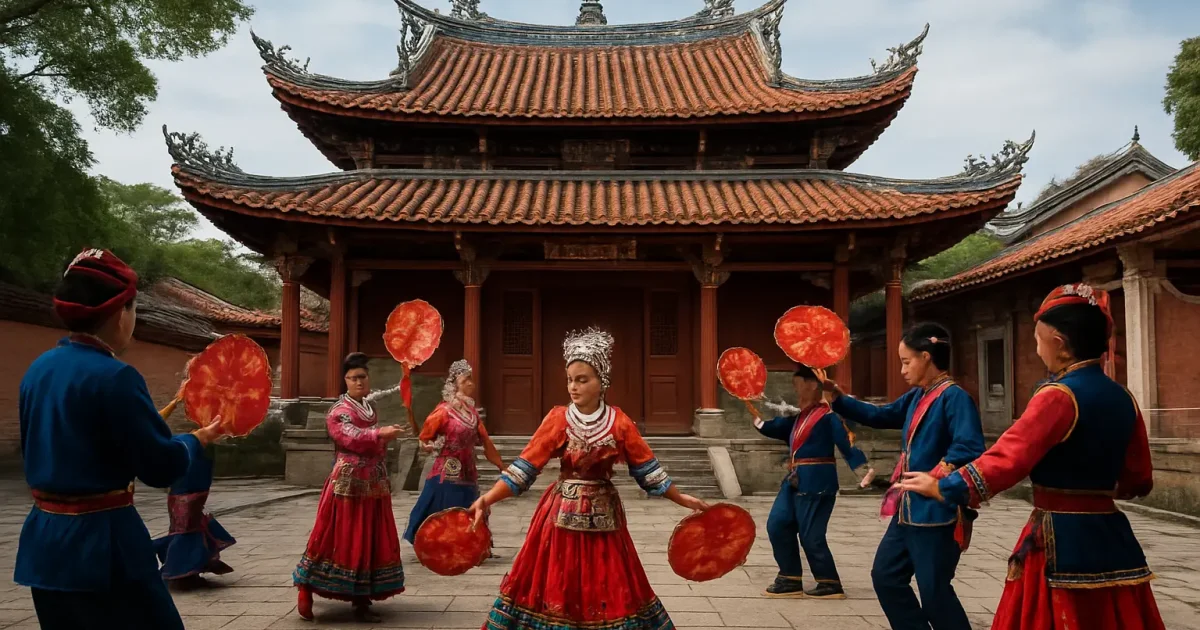
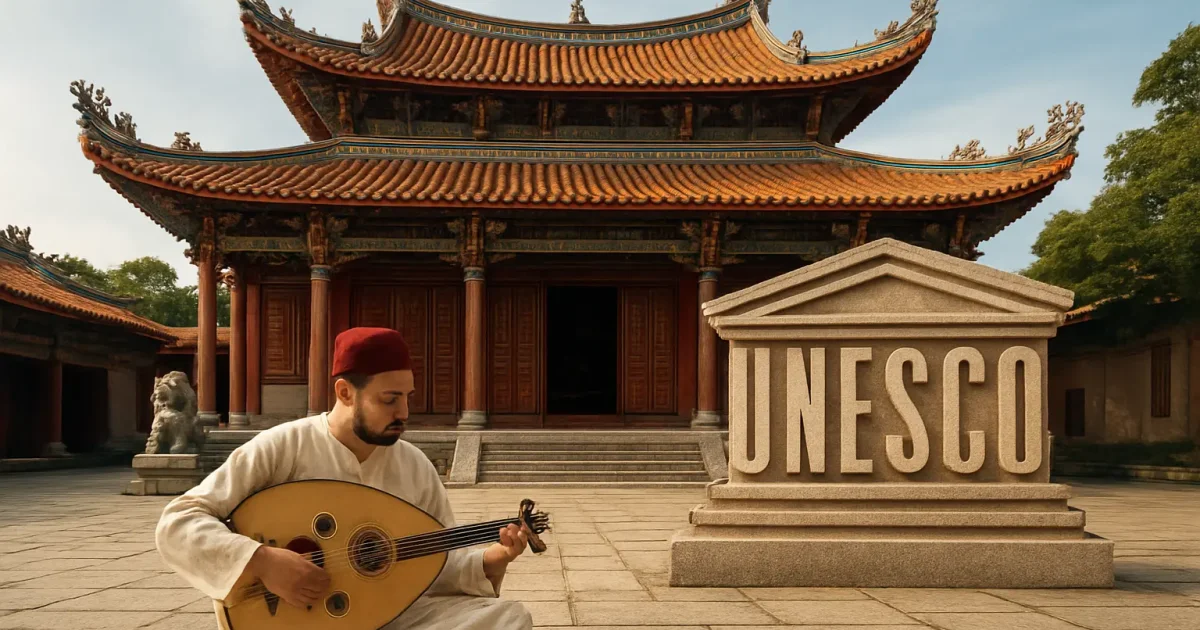
UNESCO's Intergovernmental Committee for the Safeguarding of the Intangible Cultural Heritage opens its 21st session in Xiamen, China, on 30 November, after an opening event on 29 November, and sits until 5 December. According to UNESCO, the committee will examine 64 files submitted by 82 countries: 59 bids for the Representative List, including five extension requests, four for the List in Need of Urgent Safeguarding and one request to move an element from the urgent list to the representative one. Examinations are scheduled from 1 to 3 December. The files range from Chinese cuisine and Japanese shodo calligraphy to Spain's jota dance and a joint nomination of the oud, the Arab lute, presented by 16 Arab states including Morocco.
The 2003 Convention protects living practices rather than buildings: songs, crafts, rituals, festivals and food knowledge handed down between generations. UNESCO says this cycle includes 18 multinational files, twice as many as in 2025, and has chosen "harmonious well-being" as its theme. Four African countries, Eswatini, Lesotho, South Sudan and Tanzania, could see their first inscriptions, with Lesotho's Basotho hat and Eswatini's Marula Festival on the agenda. Morocco also appears alongside Spain in a file on sparterie, the craft of weaving esparto grass, proposed for urgent safeguarding. Japan's Agency for Cultural Affairs said on 5 November that UNESCO's evaluation body had recommended shodo for inscription, but every final decision rests with the 24-member committee.
For most readers, the session will be a screen event: UNESCO says the meeting is broadcast live, and the agenda, nomination files and decisions are posted on its intangible heritage website, ich.unesco.org. Results for the oud and esparto files should come during the examination days between 1 and 3 December, although the order of debate can shift, so check the live schedule as of late November 2026. An inscription is not a prize or a legal shield on its own; states commit to safeguarding measures and report back to UNESCO on how the practice is being passed on. Before closing on 5 December, the committee will also set the date and place of its 22nd session.