
Congo has confirmed 12,021 Ebola cases and 5,904 deaths, government data show, as clashes in Ituri force response teams out and trap health workers.
The number of confirmed Ebola infections in the Democratic Republic of the Congo has passed 12,000, according to government figures released on Thursday, 26 November. The data, reported by Reuters and Al Jazeera, show 12,021 confirmed cases and 5,904 deaths since the outbreak was declared in mid-May in Ituri province, in the country's northeast. The virus has now reached eight of the DRC's 26 provinces. Reuters described it as the second-largest Ebola outbreak on record, behind only the 2014-2016 epidemic in West Africa, which infected more than 28,600 people and killed more than 11,000. Health officials and aid workers said on Wednesday that renewed fighting in Ituri had forced response teams to leave some affected areas.
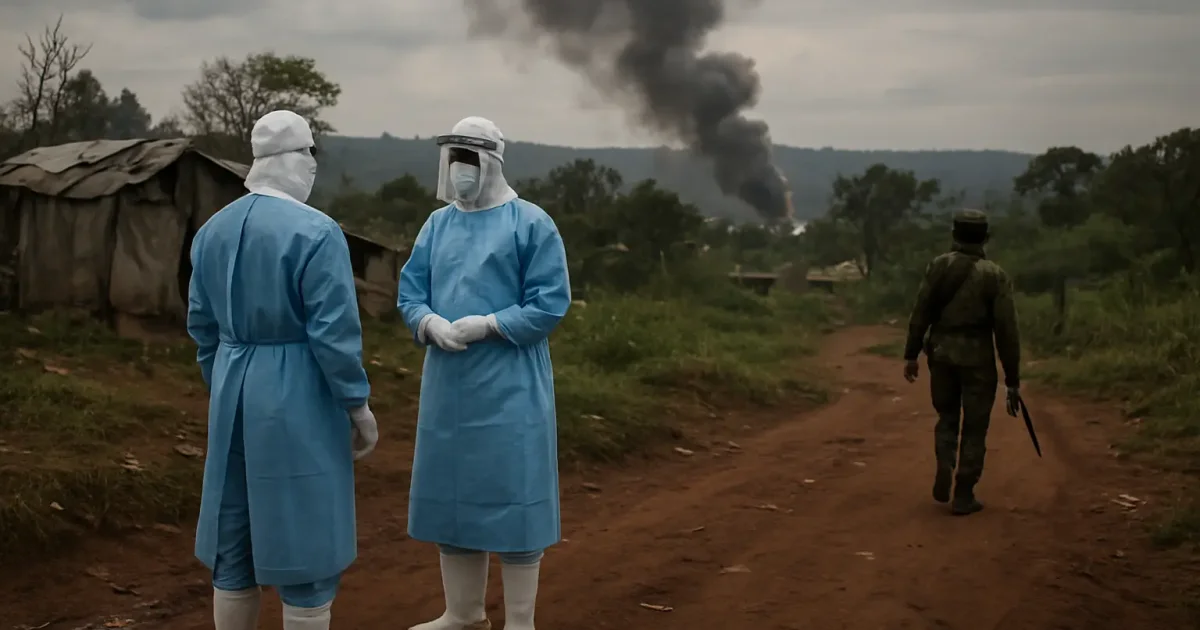
The outbreak is caused by the rare Bundibugyo species of Ebola, for which there are no approved vaccines or treatments. Delayed detection, armed conflict and overstretched clinics have helped the virus spread. Clashes between the Congolese army and the Convention for the Popular Revolution (CRP), a group led by Thomas Lubanga, whom the International Criminal Court convicted in 2012 of using child soldiers, have intensified in recent days, the UN mission said. WHO Ebola incident manager Catherine Smallwood said about a dozen people, including two WHO staff, were evacuated to Bunia after three days trapped by crossfire in a hospital in Akwe. An aid worker told the Associated Press her team came under gunfire on Monday.
The real toll may be higher. Africa CDC data presented earlier in November showed that only 15% of new cases came from people already listed as contacts, a sign that many chains of transmission are being missed. A Reuters analysis of satellite imagery also suggested deaths may be undercounted in two of the hardest-hit areas. The immediate test is whether teams can return safely to Ituri's frontline zones, where tracing contacts and organising safe burials is hardest. The CRP declared a unilateral ceasefire in May, but fighting has continued, and with more than 100 armed groups active in eastern Congo, any lasting pause in the violence remains uncertain.