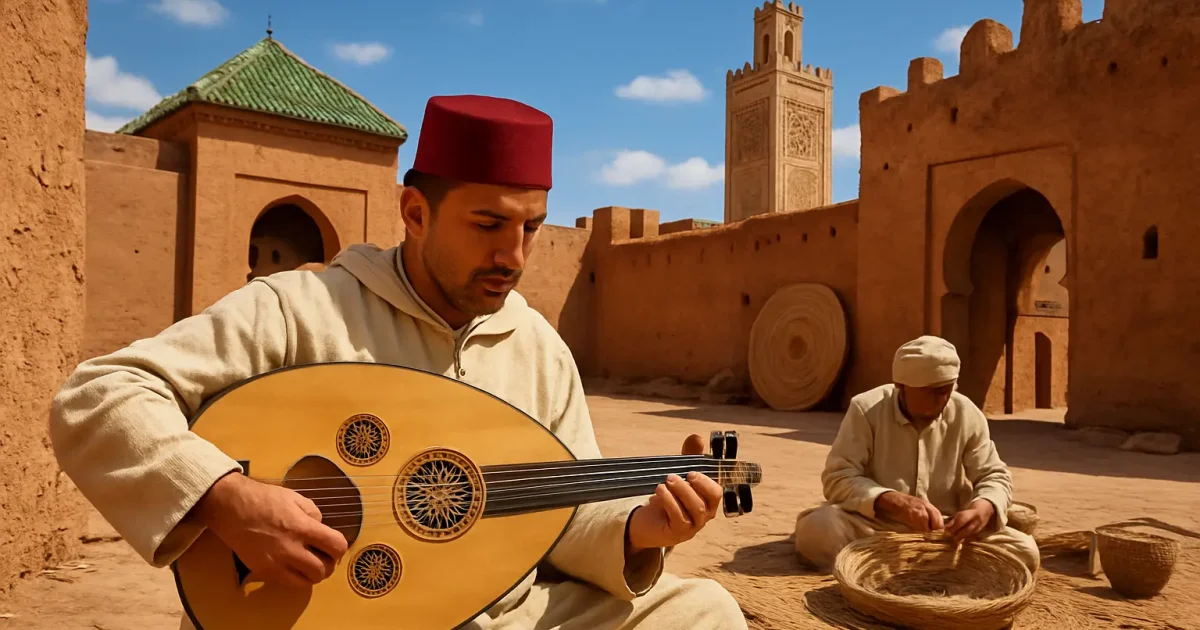

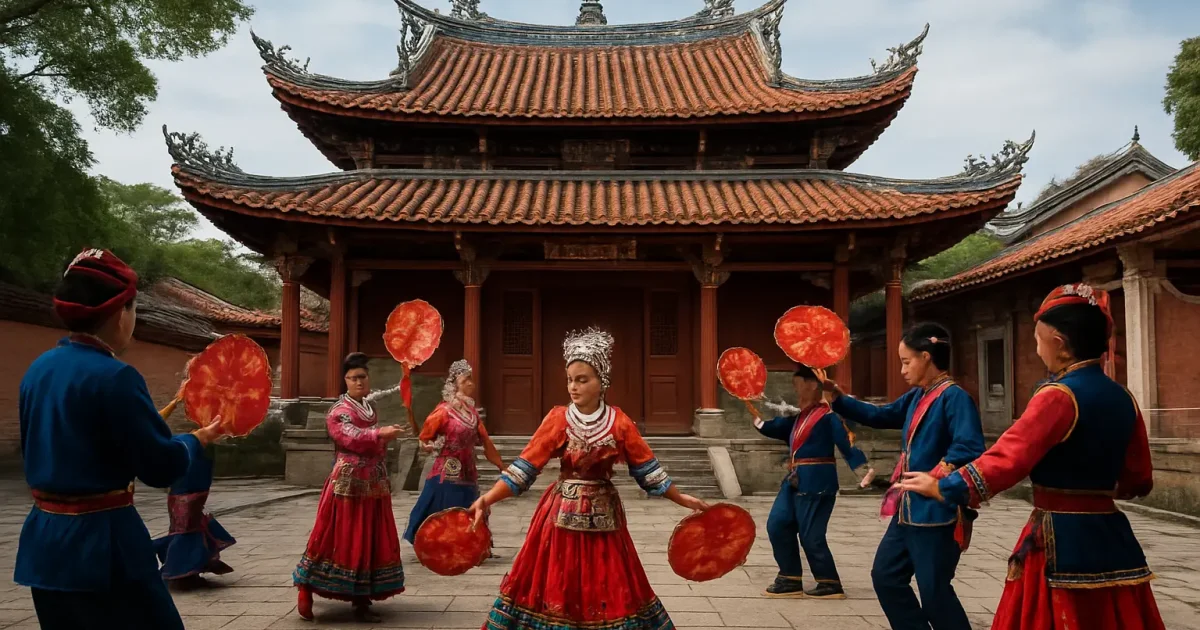
UNESCO's heritage committee meets in Xiamen from 30 November to examine 64 living traditions from 82 countries, from Chinese cuisine to Spain's Jota.
Chinese cuisine, Spain's Jota dance and a street game from Barbados are among the 64 living traditions UNESCO will consider for its intangible heritage lists when its intergovernmental committee meets in Xiamen, China, from 30 November to 5 December 2026. According to UNESCO, the files were submitted by 82 countries: 59 nominations for the Representative List, five of them extension requests, four for the List of Intangible Cultural Heritage in Need of Urgent Safeguarding, and one request to move an element from the urgent list to the representative one. An opening event is planned for 29 November, and the files are due to be examined from 1 to 3 December under the provisional timetable. The session will be chaired by Gao Zheng, China's Vice-Minister of Culture and Tourism, at the Xiamen International Conference Center.
The lists, created under UNESCO's 2003 Convention for the Safeguarding of the Intangible Cultural Heritage, recognise practices that communities keep alive rather than buildings or monuments: songs, crafts, rituals, games and ways of cooking. This year stands out for cooperation between countries. UNESCO counts 18 multinational nominations, twice as many as in 2025, including traditional felt making put forward by Azerbaijan, Iran, Kazakhstan, Kyrgyzstan, Mongolia, Tajikistan, Türkiye and Uzbekistan, and the Saint Barbara celebrations of miners shared by Poland, Austria and Luxembourg. The organisation also points to progress in Africa, where Eswatini, Lesotho, South Sudan and Tanzania could see their first inscriptions; Lesotho's file covers the making of the Basotho hat. Iran, which has three files including Tirgan with Armenia, says success would lift its total from 27 to 30 elements.
The committee announces its decisions file by file during the session, so new inscriptions can be expected from 1 December. UNESCO says the meeting will be broadcast live, with access through the 21.COM page of its intangible heritage website, ich.unesco.org. Sessions in Xiamen start at 09:30 local time, which is 01:30 GMT, so viewers in Europe, Africa and the Arab world may prefer to check the published decisions later in the day. The meeting itself is for delegations and registered observers, not tourists. For travellers, an inscription is an invitation to seek out a tradition where it lives, at a local festival, a craft workshop or a family table, rather than a new ticketed attraction. Dates and schedule are as of November 2026 and remain provisional, so check the UNESCO site before following along.