
A House committee says Commerce cleared over 879,000 Nvidia and AMD AI chips for Chinese firms in six months, as chip stocks fell sharply on Thursday.
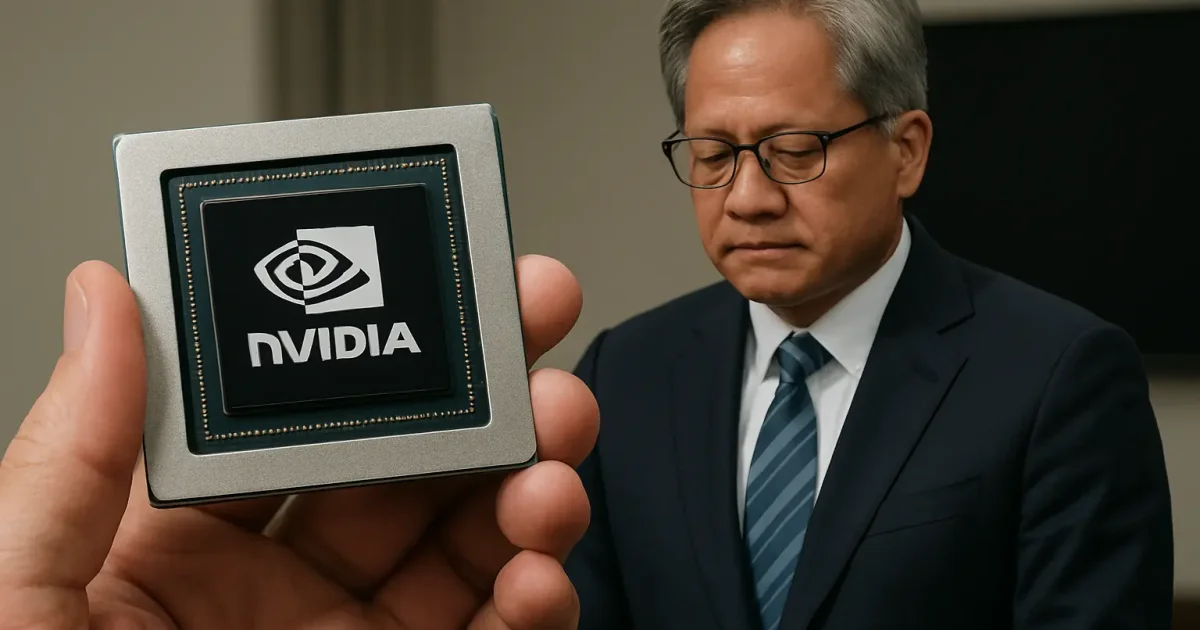
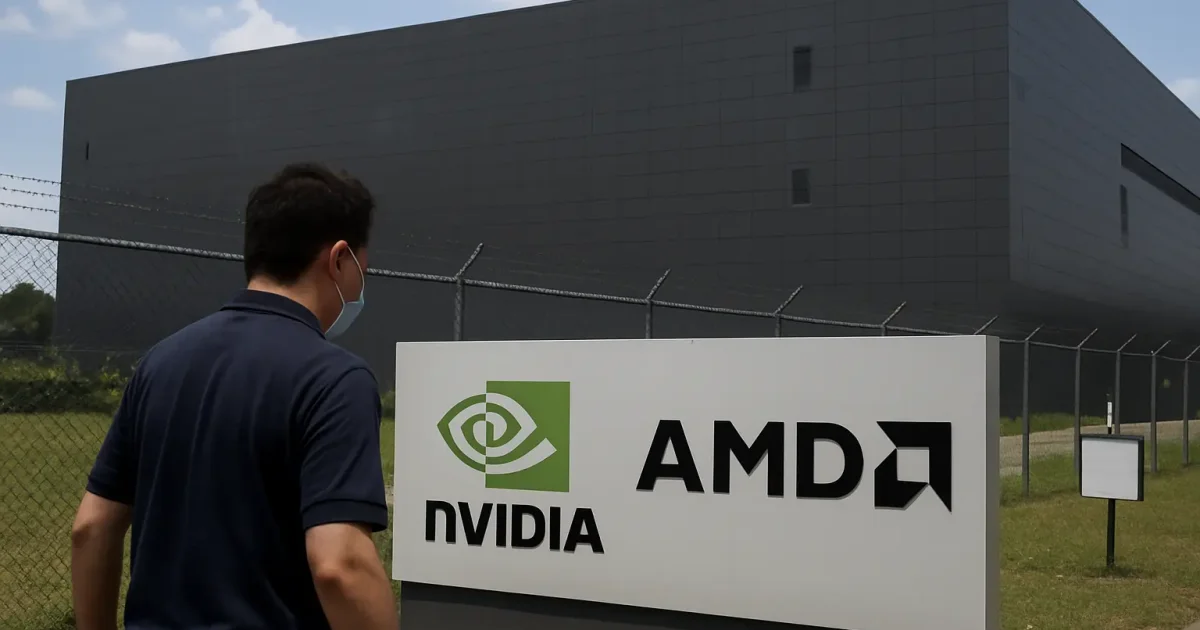
The US Commerce Department approved licences for more than 879,000 advanced AI chips made by Nvidia and AMD to be sold to Chinese companies between December 2025 and May 2026, the House Foreign Affairs Committee said on Thursday. Companies had asked to ship 3.4 million chips over the same period, according to committee documents reported by Reuters. The approvals included 150,000 chips for Tencent, 75,000 for Alibaba, 43,000 for Baidu and 4,000 for carmaker BYD, all four of which appear on a Pentagon list of companies it links to the Chinese military. Committee chair Brian Mast used powers under the Export Control Reform Act to make the licensing data public, an unusual step. It is not yet clear how many of the approved chips were actually shipped.
The disclosure reopens a fight over a decision Donald Trump took in December 2025, when he allowed Nvidia to sell its H200 chip to China and rolled back limits imposed under Joe Biden. China hawks in both parties argued that such chips could help Beijing's military and erode the US lead in artificial intelligence. Pressure has grown in recent weeks after reports about former Nvidia chief executive Jensen Huang's relationship with an alleged Chinese spy, Al Jazeera reported. Nvidia said the licences came with strict conditions and limited volumes, and that it has since stopped shipping H200s to China. AMD did not immediately comment.
Markets reacted quickly. Nvidia shares closed 3.3% lower on Thursday and AMD fell 7.7%, a drop that also followed a short-seller report on its alleged China exposure, while the Nasdaq lost 2.2% and the S&P 500 1.8%, according to Al Jazeera. Members of Congress are pushing for legislation to tighten export controls on chip sales to China, CNBC reported. The open questions now are how many of the approved chips reached Chinese buyers, whether Commerce will review the licences it granted, and how Beijing will respond. Investors will also watch for any new limits on Nvidia's and AMD's business in China, still a key market for global chipmakers.