

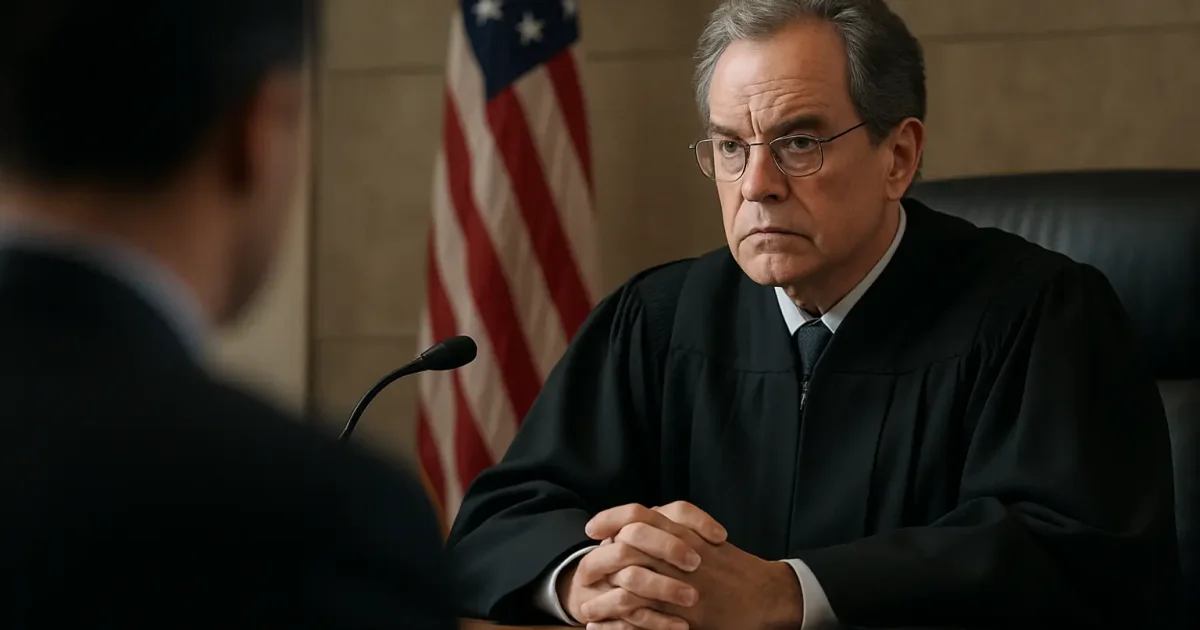
A federal judge in Florida let Trump's $15bn defamation case against The New York Times and Penguin Random House proceed on seven tax fraud statements.
A federal judge in Tampa, Florida, ruled on Thursday that President Donald Trump's defamation lawsuit against The New York Times and publisher Penguin Random House can go forward, Reuters reported. Trump is seeking at least $15 billion over two Times articles and the 2024 book "Lucky Loser", written by Times reporters Susanne Craig and Russ Buettner. District Judge Steven Merryday dismissed two of the six counts and 27 challenged statements, including claims over an article about Trump's role on "The Apprentice", according to TheWrap. He kept seven statements that accuse Trump of tax fraud and other financial wrongdoing, among them reporting that he received more than $400 million from his father through arrangements designed to avoid gift and estate taxes.
Merryday found that Trump had plausibly alleged "actual malice", the standard a public figure must meet, for those seven statements. He wrote that the complaint plausibly claimed some accusations of complex crimes were "based on incomplete, minimal information", and questioned whether the reporters had checked them with a qualified expert. The defendants say their journalists reviewed about 100,000 pages of financial records and tax returns and consulted specialists. A Times spokesman called the suit a "baseless attack" on the newspaper and the free press. Trump's legal team welcomed the ruling. The same judge struck the original complaint in 2025 for its length before Trump filed a shorter version, and the decision came a week after another court let Trump's case against the BBC proceed.
The ruling does not find that the reporting was false or defamatory. It only means the surviving claims move to the next stage. The Times and Penguin Random House now have 28 days to respond to the remaining allegations, and Merryday refused Trump's request to amend his complaint again. To win, Trump will still have to prove that the statements were false and that the authors knew it or acted with reckless disregard for the truth. The case is one of several lawsuits he has filed against media companies since 2024. Penguin Random House did not immediately respond to requests for comment, according to Reuters.