Luiz Inácio Lula da Silva took 51.79% of the vote to win a fourth term, the first Brazilian president elected after losing the first round, while rival Flávio Bolsonaro has called for the result to be annulled.
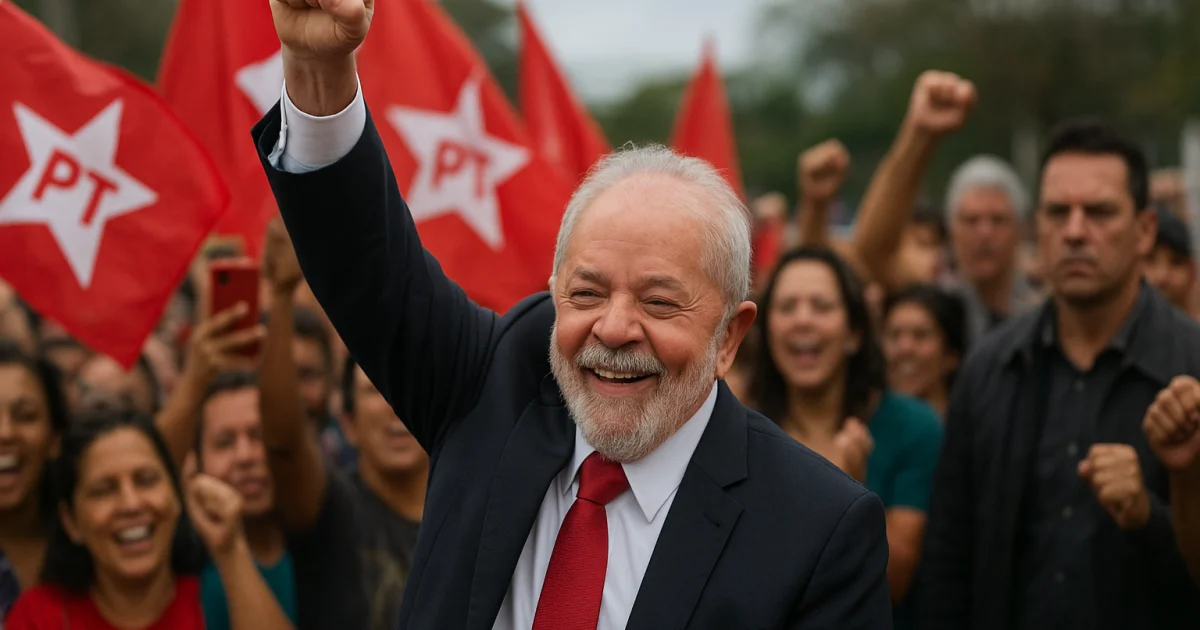
Brazil's President Luiz Inácio Lula da Silva has won a fourth term in a presidential run-off, according to BBC News reporting on the official result. He took 51.79% of the vote, a margin of about 4.4 million votes over his right-wing challenger Flávio Bolsonaro. It is a notable comeback: Bolsonaro won the first round on 4 October with 47% to Lula's 45%, and Lula is the first president since Brazil's return to civilian rule in 1985 to be elected after losing the first round. Addressing supporters in São Paulo, Lula called the result a loss for "negativity, lies" and said he would listen more to Brazilians during his new term.
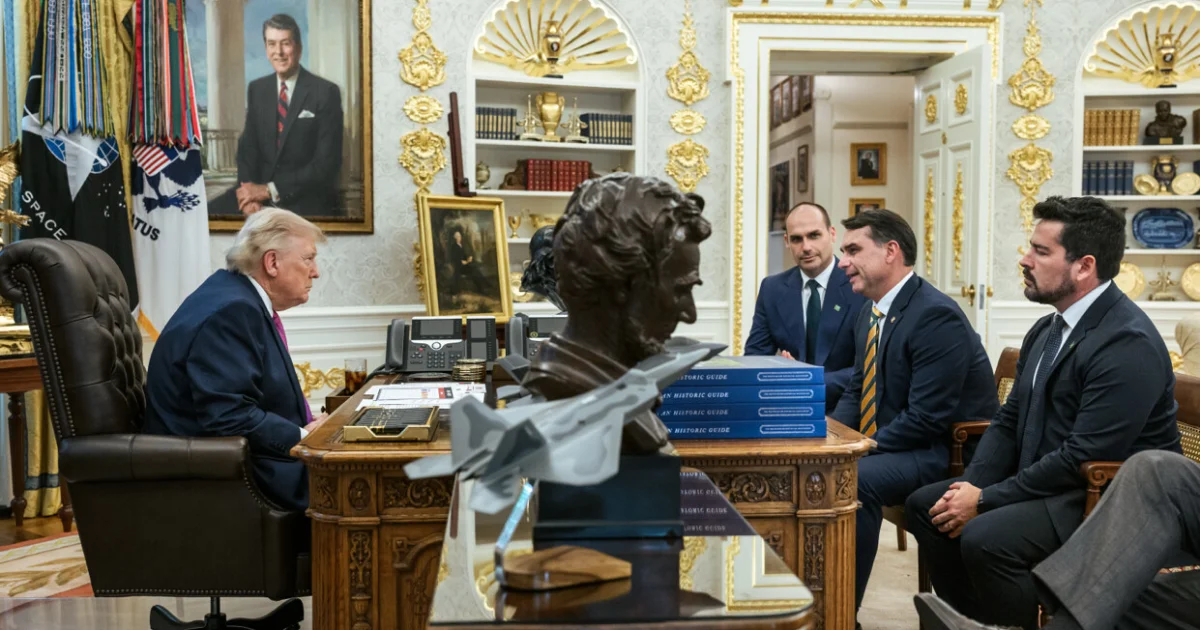
Bolsonaro, the son of convicted former president Jair Bolsonaro, has so far refused to recognise the outcome and has called for it to be annulled, describing it as "inexplicable". His objections centre on Supreme Court Justice Cristiano Zanin's decision to extend voting nationwide by two hours, although the BBC notes that both campaigns had asked for more time, citing bus shortages in São Paulo and Bahia and heavy rain elsewhere. Kássio Nunes Marques, president of the Supreme Electoral Court and an appointee of Jair Bolsonaro, confirmed Lula's victory and said the extension did not change the outcome. Leaders including Mexico's Claudia Sheinbaum, Canada's Mark Carney, the European Commission's Ursula von der Leyen and France's Emmanuel Macron congratulated Lula, while US President Donald Trump said it "looked like another rigged election" without offering evidence.
Financial markets reacted sharply. Al Jazeera reported that the Brazilian real fell about 12% against the dollar in spot trading and that the stock exchange halted trading for 30 minutes after a circuit breaker was triggered, as investors who had priced in a Bolsonaro win and tighter fiscal policy repositioned. Public debt already exceeds 82% of GDP, and Lula's team has said it aims for a budget surplus of about 1.3% of GDP by 2030, though analysts quoted by Al Jazeera say details on spending cuts are lacking and attention will turn to his choice of finance minister. His new term is due to begin on 5 January and run until 2030, and the BBC notes he will face a divided country, an opponent contesting the result and a Congress with many Bolsonaro allies.