
NASA has fixed key parts of SR-1 Freedom, its first nuclear electric spacecraft, after an October review, keeping a late-2028 launch to Mars on track.
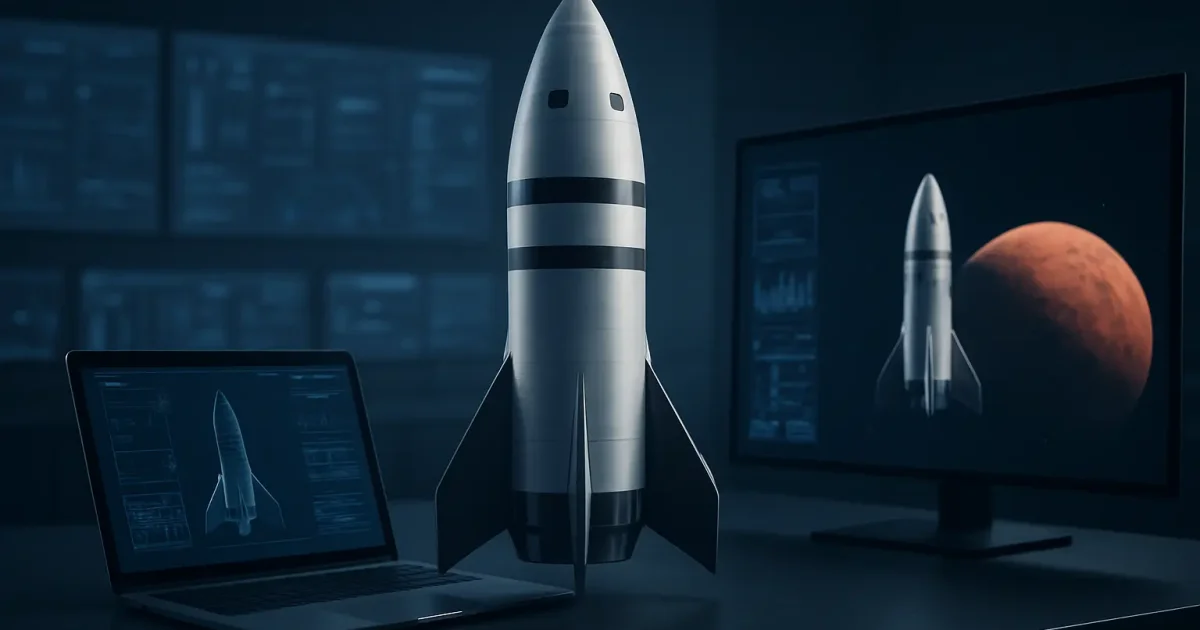
NASA says it has locked in key design elements of Space Reactor-1 (SR-1) Freedom, the spacecraft meant to demonstrate nuclear electric propulsion in deep space for the first time. In an update published on 24 November, the agency said experts from NASA, the US Department of Energy and industry met at Glenn Research Center in Cleveland in October for a major design review. Two changes stand out: a shorter boom between the reactor and the main body of the craft, called the Power and Propulsion Element, to cut weight and simplify assembly, and improved shielding that lets the reactor sit closer to the electronics. NASA also awarded a $39.3 million contract to the Johns Hopkins Applied Physics Laboratory, working with Advanced Cooling Technologies, to build the system that removes the reactor's excess heat.
Nuclear electric propulsion uses a fission reactor to generate electricity, which then drives thrusters that push out charged gas. The thrust is weak, but the system is very efficient over long trips. NASA first presented the SR-1 concept in March, aiming for the next Mars launch window. In October, MIT Technology Review reported that the reactor would have a capacity of at least 20 kilowatts and described the project as a bet of about $2 billion. Not everyone is sure the schedule will hold: Lindsey Holmes of Analytical Mechanics Associates told the magazine the timeline is aggressive. NASA says several choices are still open, including the number of radiator panels, the power output of the nuclear module and how long the reactor will operate.
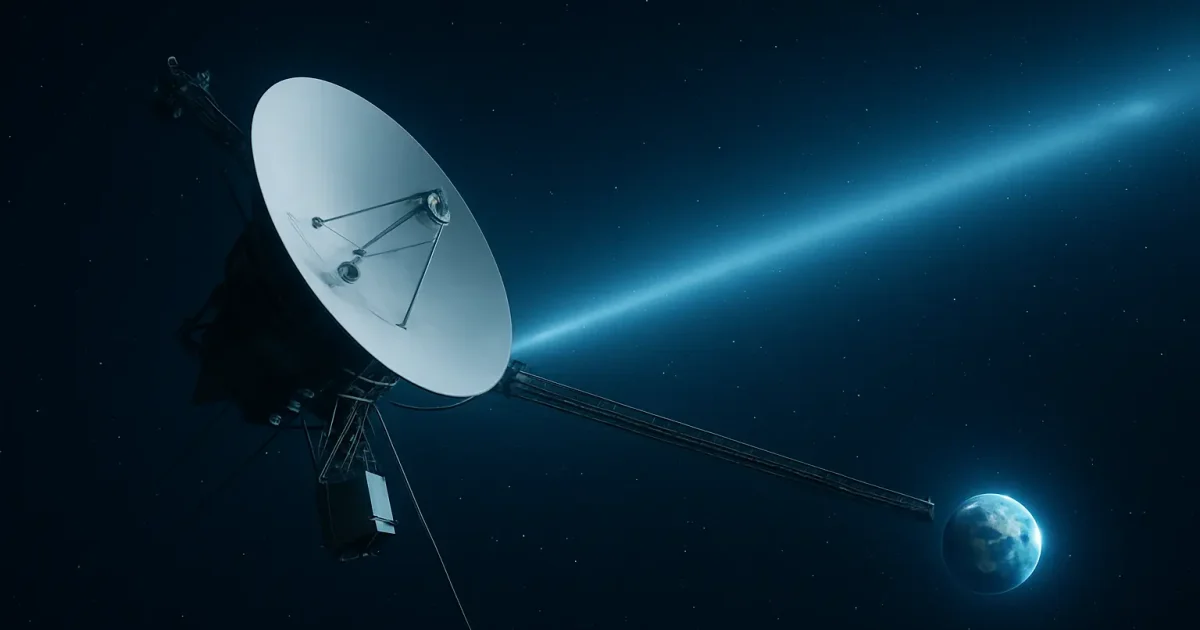
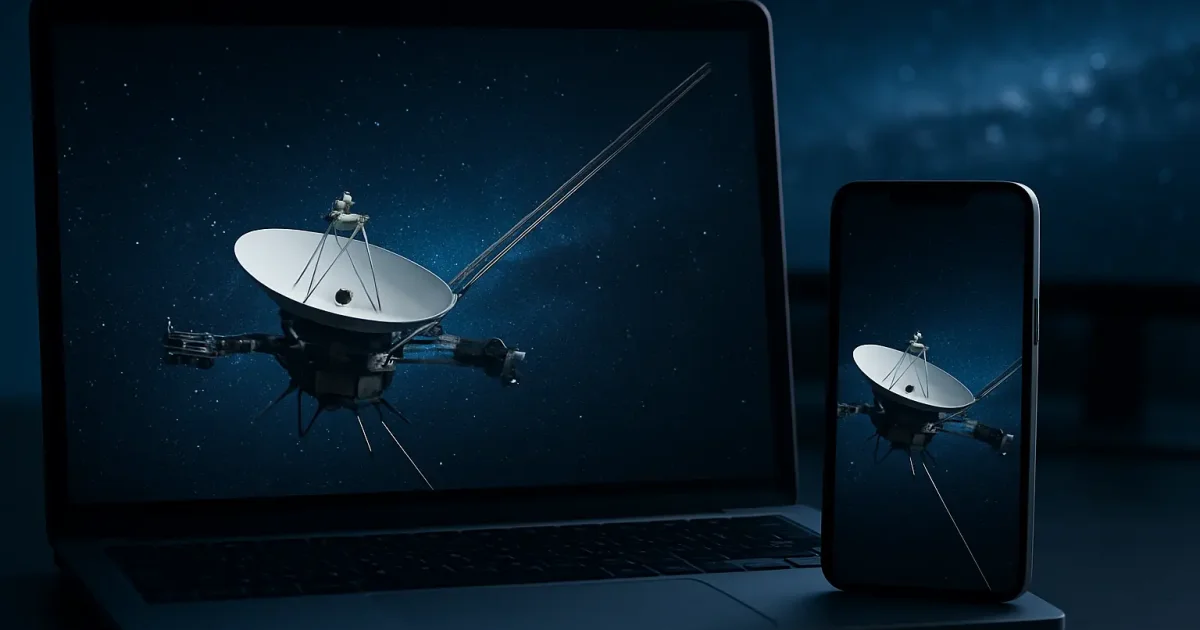
The launch remains targeted for late 2028. Once the spacecraft has left Earth orbit, NASA plans to raise the reactor's power gradually, run it for an initial period while sending performance data home, then shut it down and switch to solar arrays for the cruise. After delivering SkyFall, a capsule carrying three helicopters, to Martian orbit, SR-1 will restart its reactor for further tests. The helicopters are meant to study Martian geology and climate history and look for ice below the surface. The team is also fitting larger X-band antennas for deep-space communication. NASA says the lessons should help future surface power for its planned Moon base, while the next milestones are the remaining design decisions and flight hardware.