
NASA wants industry to design Lunar Reactor-1, a 20-kilowatt fission reactor ready to launch by 2030 to power a Moon base through the lunar night.
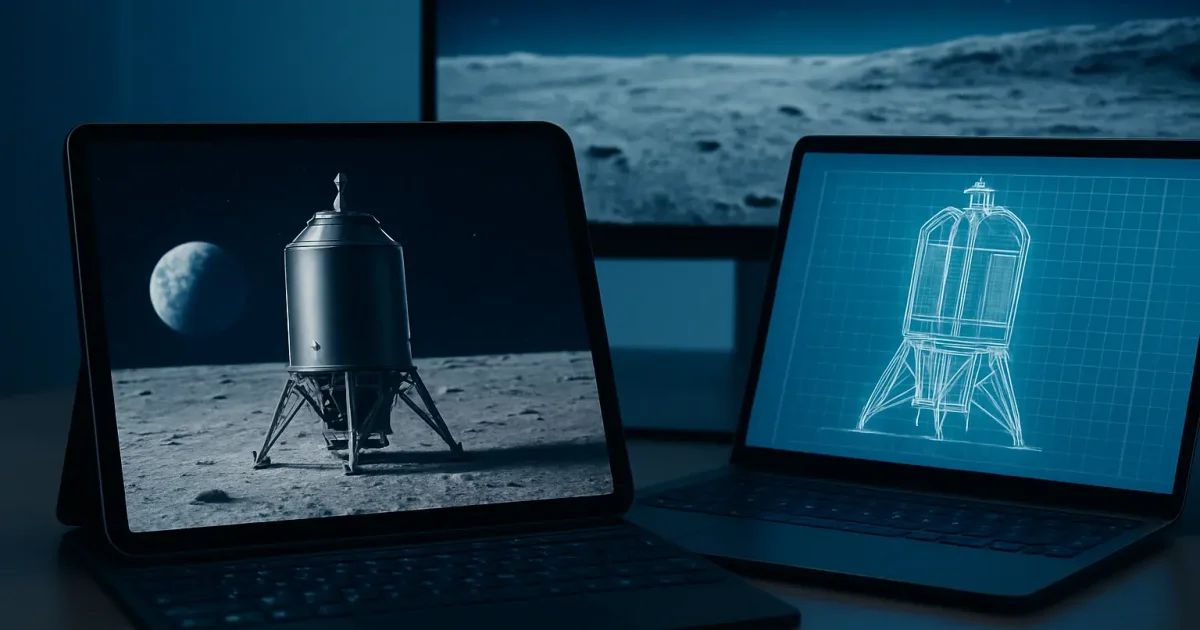
NASA on 23 November asked industry for proposals to design, build and test Lunar Reactor-1 (LR-1), which the agency describes as the first nuclear reactor meant to produce electricity on the Moon. The small fission system is designed to deliver 20 kilowatts of electrical power, enough by NASA's estimate to supply about 16 average US homes. The agency wants a launch-ready reactor by 2030 and expects it to run on the lunar surface for at least five years once deployed. The solicitation, called Space Power and Reactor Capabilities, requires the design to meet Department of Energy safety standards for nuclear operations. Proposals are due by 21 December.
The main reason is the lunar night. Any base on the Moon has to get through roughly 14 Earth days of darkness at a time, when solar panels produce nothing. A fission reactor, which splits atoms to make heat that is then turned into electricity, keeps working whatever the sunlight. NASA says the power could run habitats, communications, rovers and science instruments for its planned Moon Base, especially where sunlight is limited or absent. The final request follows a draft released in August and an industry day held in September in Cleveland. Brian Giblin, the LR-1 program manager, called it an important step toward an enduring human presence on the lunar surface.
For now LR-1 is a procurement, not hardware. Companies have four weeks to bid, and NASA's announcement does not say how many contracts it will award, how much money is involved or when winners will be chosen. The agency adds that it may issue extra task orders under the same solicitation for other space nuclear power systems. LR-1 is run by NASA's Space Reactors Division with the Department of Energy. The same division manages SR-1 Freedom, a nuclear electric propulsion demonstrator scheduled to launch in 2028 and carry three SkyFall helicopters to Mars. A 2030 target leaves little margin for a first-of-its-kind reactor, so the schedule will be the thing to watch.