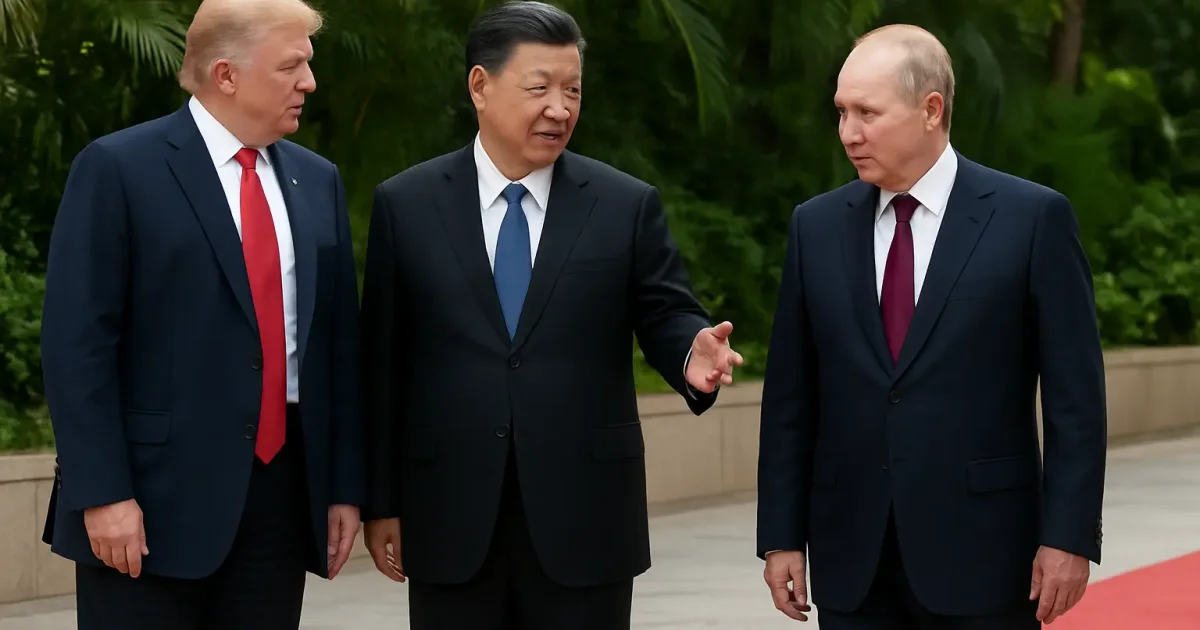
The US, Chinese and Russian leaders met together for the first time on Thursday at APEC in Shenzhen, with nuclear arms, Ukraine and trade on the agenda.
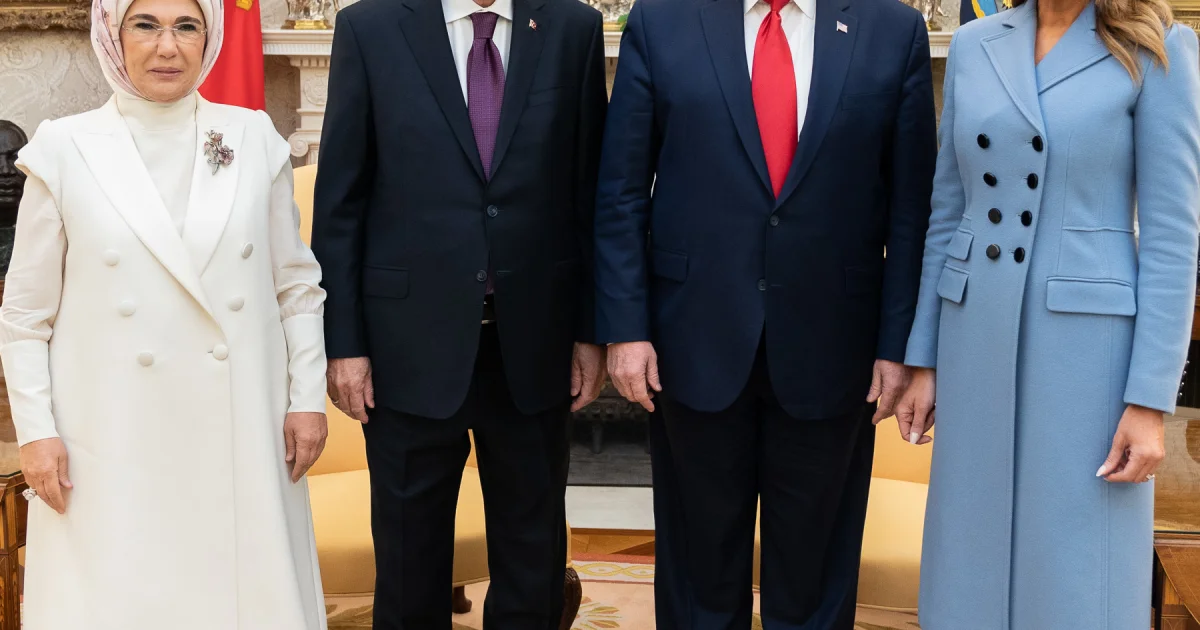
Donald Trump, Xi Jinping and Vladimir Putin sat down together on Thursday in Shenzhen, China, for the first three-way meeting ever held between the leaders of the United States, China and Russia. The talks opened at Kylin Villa, a Chinese state residence, on the sidelines of the APEC summit, according to the Russian news agency TASS; they had been scheduled for 14:30 local time (06:30 GMT). Before the session, Trump held separate meetings with both men. He spent about an hour with Xi, Al Jazeera reported, and said afterwards that both countries want energy to keep flowing through the Strait of Hormuz and agree that Iran cannot have a nuclear weapon. Kremlin aide Yury Ushakov said Ukraine dominated Trump's talk with Putin, which ended without a joint statement.
The White House has said nuclear arms reduction is the main item. Trump has pushed for a deal that brings China into arms control after New START, the last treaty limiting US and Russian strategic arsenals, lapsed in February. Beijing has repeatedly rejected such talks, and a senior US official said no agreement was expected. Trade is also on the table: a tariff truce agreed in Busan in October 2025 has been extended to 10 January 2027, and Xi told Trump that relations were stable and improving. Trump said he also wants progress on ending the war in Ukraine, although Russia and Ukraine only resumed direct talks in Abu Dhabi on 10 and 11 November, and analysts quoted by Al Jazeera expect few concrete results.
The Kremlin said a joint communiqué was still being negotiated; if the three sides cannot agree on a text, each leader will give his own assessment of the meeting. Ushakov said the discussion would cover relations among major powers and efforts to stabilise a world strained by several conflicts. China's Commerce Ministry said a joint agricultural working group with Washington would meet soon, while repeating its opposition to recent US trade restrictions. The next markers are any written outcome from Shenzhen, possible follow-up contacts on arms control and the January deadline of the US-China tariff truce. Al Jazeera reported that the summit has also unsettled smaller Asia-Pacific economies, which fear their interests could be overlooked.