
The ICJ ruled 9-6 on Thursday that Myanmar committed genocide against the Rohingya in 2017, the first time the court has found a state responsible for it.
The International Court of Justice ruled on Thursday, 19 November, that Myanmar committed genocide against the Rohingya Muslim minority in northern Rakhine State, the first time the UN's highest court has found a state responsible for the crime. Judges in The Hague voted nine to six in the case brought by The Gambia in 2019. The court found that Myanmar's security forces killed members of the group, caused them serious bodily and mental harm and imposed measures intended to prevent births, and that the only reasonable inference from that conduct was an intent to destroy a substantial part of the Rohingya. It also found that Myanmar failed to prevent and punish genocide and breached a 2020 order to preserve evidence, according to summaries by the American Society of International Law and Just Security.
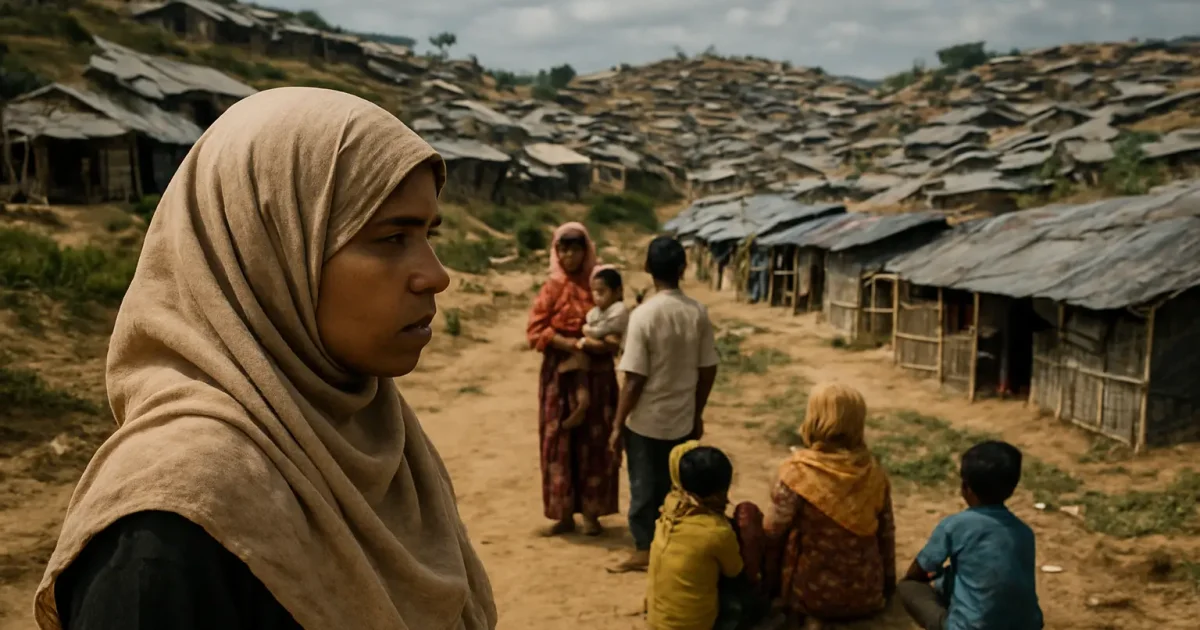
The case stems from the military's "clearance operations" launched after Rohingya insurgents attacked security posts in August 2017. Security forces killed at least 10,000 people, legal analysts said, citing the judgment, and about 740,000 Rohingya fled to Bangladesh, according to UN estimates. The Gambia filed the case on behalf of the 57-member Organisation of Islamic Cooperation, and seven states, including Canada, France and the United Kingdom, supported it at hearings in January 2026. Myanmar has long described the 2017 campaign as a legitimate counterterrorism operation. The six dissenting judges, including Vice-President Julia Sebutinde, argued that the majority applied a lower standard of proof than in earlier cases and relied too heavily on UN fact-finding reports.
The court ordered Myanmar to adopt full legislation against genocide, investigate and prosecute suspects, give guarantees that the crimes will not be repeated and provide restitution, including the safe return of displaced Rohingya. Compensation will be decided in later proceedings, and Myanmar must report back to the court within two years. The ICJ has no means of enforcing its rulings, and no immediate reaction from Myanmar's military government, led by Min Aung Hlaing since the 2021 coup, was reported. More than one million Rohingya still live in crowded camps in Bangladesh. Legal experts say the judgment could shape other genocide cases pending at the court, including South Africa's case against Israel.