

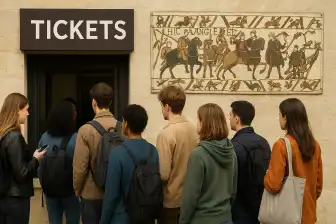
Spending data from Monzo cited by the Guardian indicates that young Britons drove a surge in demand for the second release of Bayeux Tapestry tickets at the British Museum.
Demand for the Bayeux Tapestry exhibition at the British Museum has taken on the feel of a pop-culture event, according to spending data from the digital bank Monzo reported by the Guardian. In the first hour of the second ticket release, payments from Monzo cardholders to the museum reached £14,100, about 48 times the level of a typical weekday morning, and 55% of those buyers were under 35. The bank says that was roughly double the opening-morning spend for the films The Odyssey and Spider-Man: Brand New Day, though the figures reflect only Monzo's customers rather than all ticket buyers.
The comparison comes with caveats the data itself makes clear. Standard adult peak tickets cost £33 and off-peak tickets £27, far above an average cinema seat, and supply is limited, so the average basket of £97 on Bayeux tickets compares with £19 for Spider-Man's opening morning. After two hours Monzo customers had spent £30,500, and almost half of buyers were based outside London, with purchases recorded from as far away as Glasgow. The Guardian reports that the slots sold out within three hours, faster than the first wave, which took 24 hours.
The tapestry, a roughly 1,000-year-old embroidered record of the Norman Conquest, is on display in England for the first time since it was taken to France in the 11th century, the Guardian notes. The British Museum described the response as extraordinary and says it changed arrangements to ease long queues, including banning photography by visitors. Reviews cited by the Guardian praise the exhibition's display of the work's technical skill and storytelling, and the paper's own critic called it a masterpiece. For heritage institutions, the episode suggests that rare access to a medieval object can reach audiences who might not be expected to queue for it, although a single bank's customer data cannot show how representative that audience is.