A slimmed-down COP31 text published on Thursday in Turkey cuts every reference to fossil fuels, a day before nearly 200 nations are due to agree a climate deal.
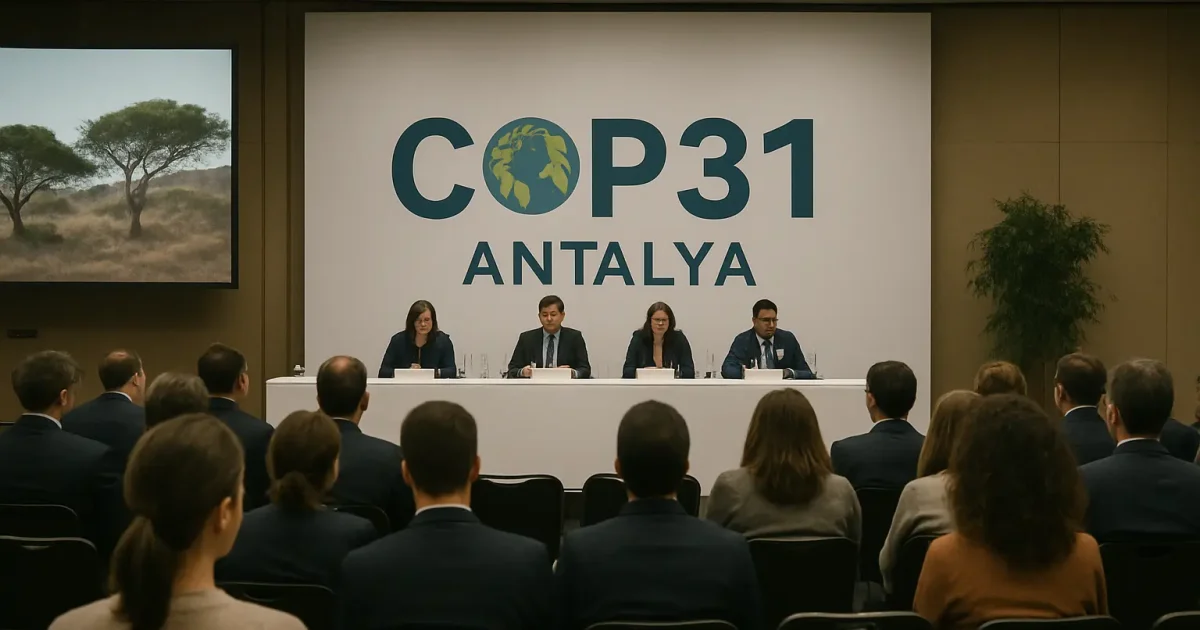
Climate negotiators at the COP31 summit in Antalya, Turkey, published a revised draft agreement on Thursday that no longer mentions fossil fuels, according to Reuters and AFP. The text was released by Australia, which chairs the negotiations under a shared presidency with Turkey, and is about half the length of the first draft unveiled on Monday. That earlier version contained two references to fossil fuels, including a proposal for accelerated action to phase them out. The new draft does not name coal, oil or gas at all. It expresses deep concern that the 1.5C warming limit of the Paris Agreement could soon be breached, calls for deep, rapid and sustained cuts in greenhouse gas emissions and encourages wider use of technologies that pull carbon dioxide out of the atmosphere.
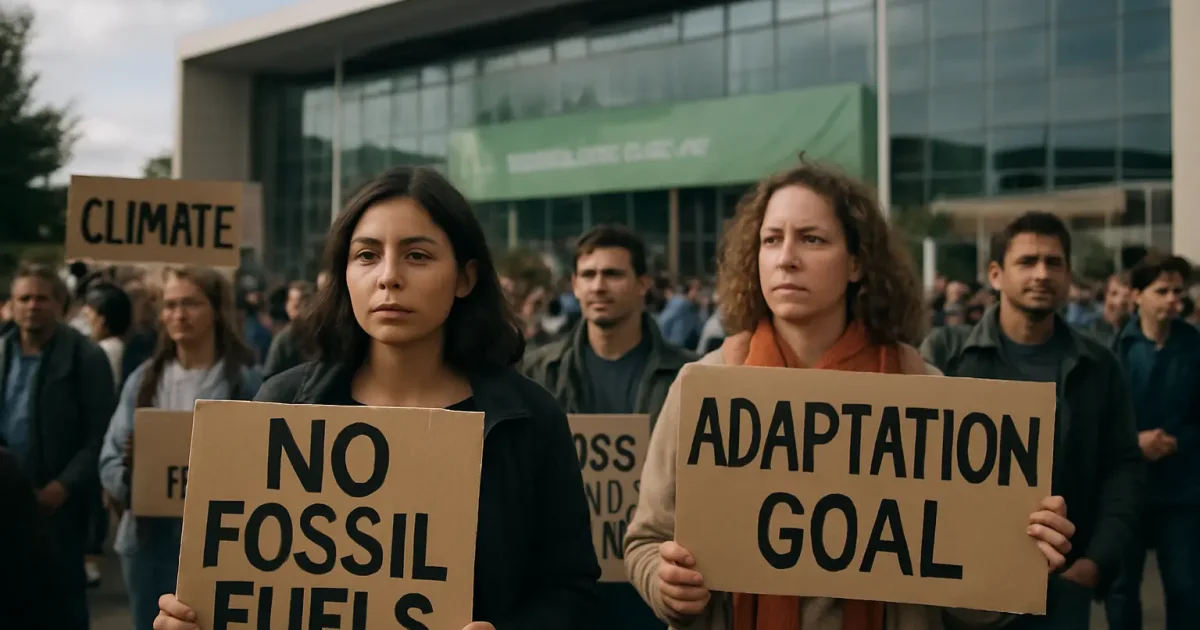
Energy wording is the most divisive issue at UN climate talks, where every decision needs consensus. Countries agreed at COP28 in Dubai in 2023 to transition away from fossil fuels, but last year's summit in Brazil ended without mentioning them, and many delegations came to Antalya demanding stronger language. The revised draft keeps a target, backed by Turkey, to raise electricity's share of final energy demand to 35% by 2035, and proposes further talks on tripling finance for climate adaptation by 2035. Australian climate minister Chris Bowen, who leads the negotiations, said the text was the most ambitious outcome that consensus would allow. Environmental groups called the omission unacceptable, and Panama threatened to block any deal that fails to meet its demands, including a cap on global oil production.
The conference is scheduled to close on Friday, 20 November, but recent summits have regularly overrun their deadline by more than a day, and the text is expected to be revised again before nearly 200 countries can approve it. Bowen said consultations would continue through the night. The main questions now are whether any reference to fossil fuels returns in the final version, how much money rich countries will commit to help poorer nations adapt to floods, droughts and heatwaves, and whether Panama carries out its threat to object in the closing plenary. The talks are taking place during a record-breaking El Niño and an energy shock linked to the Iran war, which has pushed fuel prices and supply security to the top of many governments' agendas.