Harvard & Smithsonian researchers describe Lumina, which they call the largest cosmological radiation hydrodynamics simulation yet, built to be tested against Webb and Roman data.
Researchers at the Center for Astrophysics | Harvard & Smithsonian have built a simulation called Lumina that reconstructs the first 2 billion years of the universe, according to a Smithsonian release published via ScienceDaily. The work, reported in Monthly Notices of the Royal Astronomical Society, models how ordinary matter, dark matter and radiation interacted as the earliest stars, galaxies and black holes emerged. The team describes it as the largest cosmological radiation hydrodynamics simulation produced to date.
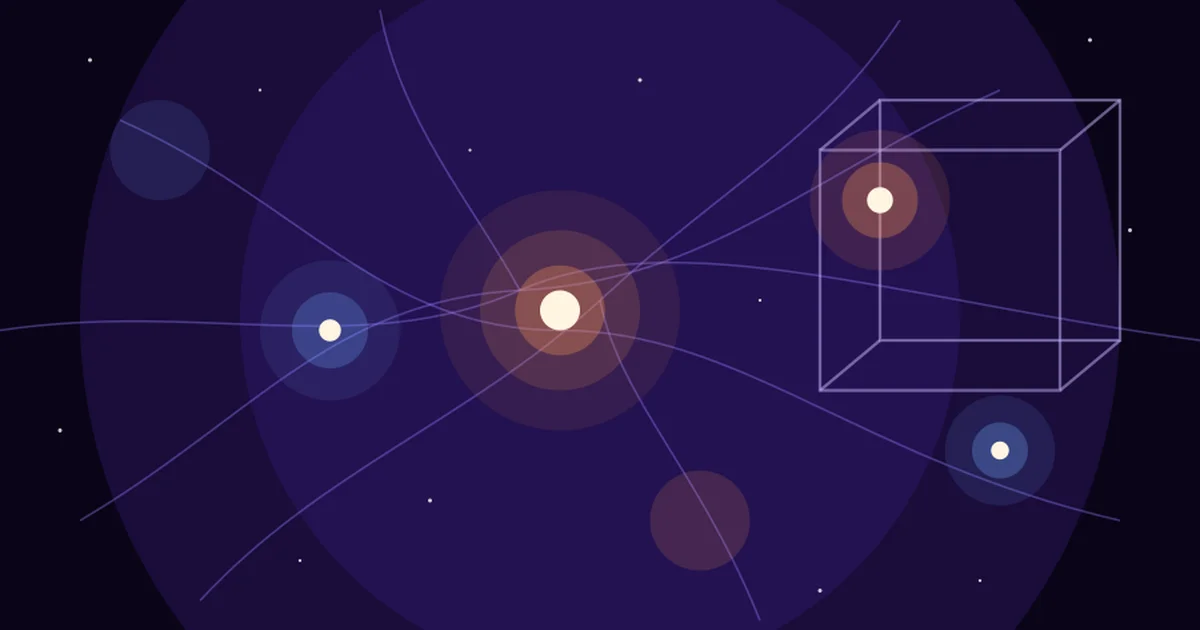
The researchers say Lumina covers a volume more than 100 times larger than earlier comparable projects, a virtual cube roughly 1.5 billion light-years on each side, while still resolving individual galaxies. It also follows helium reionization, in which radiation strips electrons from helium atoms, as it unfolds and affects surrounding gas, which the team says a simulation of this kind has not done before. The calculation used more than 15,000 graphics processing units on Frontier, a supercomputer at Oak Ridge National Laboratory in Tennessee.
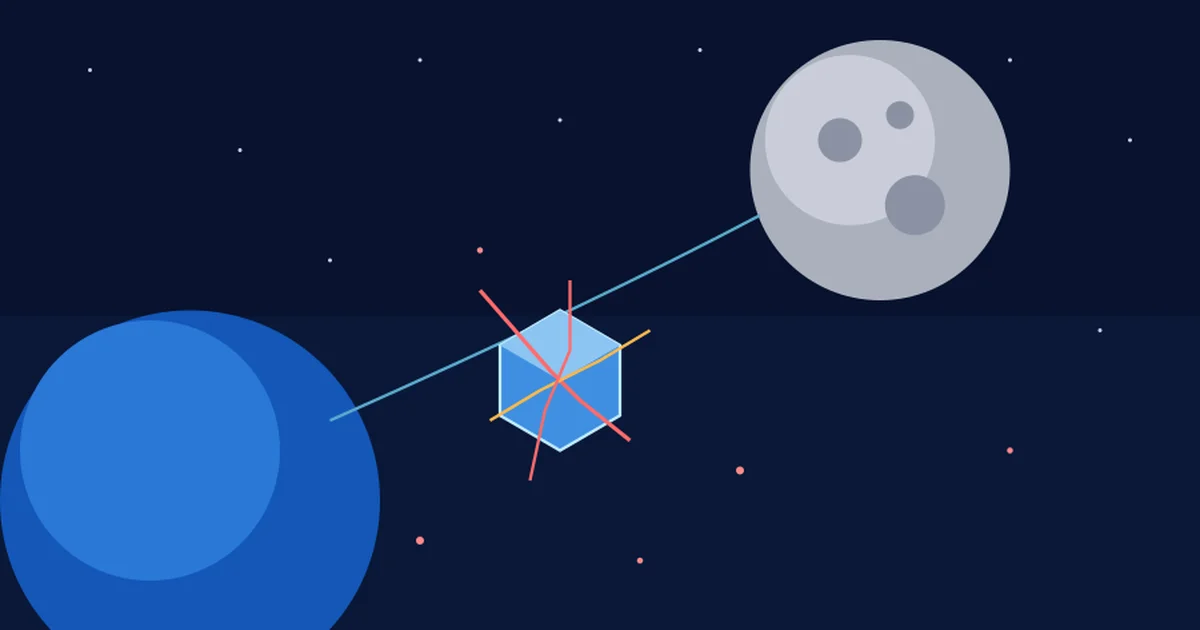
The aim is to turn theory into concrete predictions that can be tested against observations from the James Webb Space Telescope and the planned Nancy Grace Roman Space Telescope. Lead author Oliver Zier said translating theories into detailed predictions is necessary to understand what Webb is seeing. If real observations differ from Lumina's predictions, the researchers say, the gaps could show where current theories need refining. These details come from the team's own description of its work, and the comparison with telescope data is still to come.