The NHS advises a quiet, dark and cool bedroom plus a few evening habits. Here is how to apply that practical guidance at home, one small change at a time.
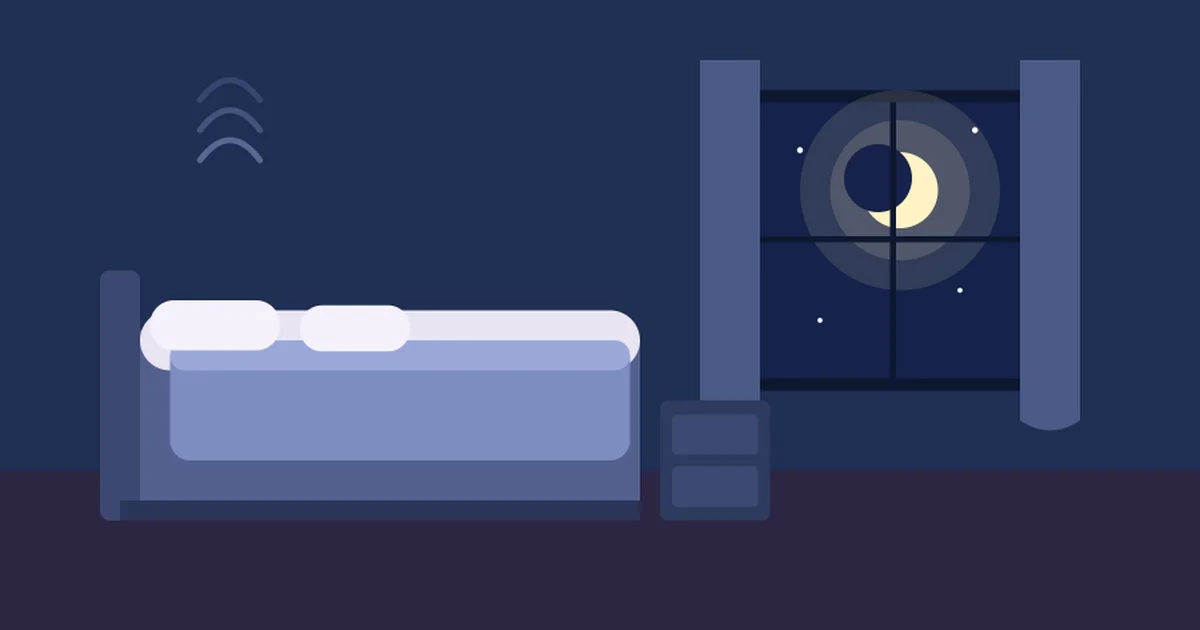
If your bedroom doubles as an office, a cinema and a storage room, it may be working against your sleep. The NHS Every Mind Matters guidance suggests aiming for a bedroom that is quiet, dark and cool, and it lists simple ways to get there: earplugs or a silenced phone for noise, fully closed curtains or an eye mask for light, a hidden clock so you are not watching the minutes pass, and some adjustment of the temperature or ventilation. Where outside noise cannot be avoided, background sounds such as white noise are mentioned as an option. None of this requires new furniture; most of it is about removing the small irritants that keep a room feeling alert rather than restful.
The room is only half of the picture, because the same NHS page also points to the routine around it. It recommends going to bed and getting up at similar times each day, including on days off, and avoiding phones, tablets and computers for an hour beforehand, since the blue light from screens can make it harder to fall asleep. Large meals close to bedtime are best avoided, caffeine from tea, coffee and some soft drinks should be limited, and alcohol and nicotine are better left out for one to two hours before bed. If you are still awake after about 20 minutes, the advice is to get up, do something relaxing somewhere comfortable, and return to bed when you feel sleepy rather than forcing it.
A sensible way to use this guidance is to change one thing at a time and see what helps you. Start with the cheapest fixes, such as closing the curtains fully and putting the phone out of reach, then add a wind-down habit like reading or breathing exercises; if worries keep you awake, the NHS suggests writing them down or listing tomorrow's tasks before sleeping, and being active during the day, ideally not too close to bedtime. It is worth remembering that this is general advice with cautious wording such as 'may help' rather than a clinical trial result, so results will vary from person to person. If sleep problems continue, the NHS notes that a GP or pharmacist can discuss treatment options. The full guidance is available on the official NHS page: https://www.nhs.uk/every-mind-matters/mental-wellbeing-tips/how-to-fall-asleep-faster-and-sleep-better/