
Research in Tobacco Control says 90,835 of 118,756 replies to the 2023 consultation were machine-generated, in what authors call the first documented large-scale automated interference in a public health consultation.
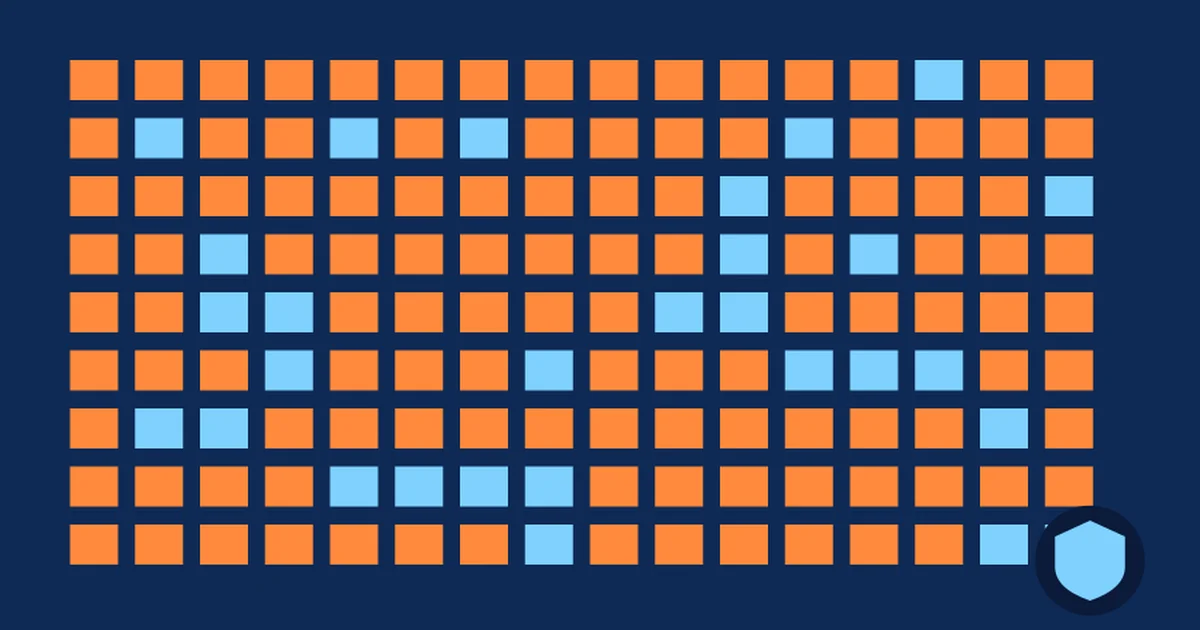
AI bots submitted about three-quarters of all responses to the UK government's 2023 consultation on the tobacco and vapes bill, according to research published in the journal Tobacco Control. The Department of Health and Social Care (DHSC) used bot-detection methods to identify that 90,835 of the 118,756 responses it received, or 76%, were automated. All but two of those responses answered the same question in the "smoke free generation" consultation and opposed the then Conservative government's plan to ban disposable vapes. The DHSC said they were often duplicated many times and sent at high frequency from a small number of IP addresses.
The study's authors, Dr Nason Maani of the University of Edinburgh and Prof Anna Gilmore of the University of Bath, said the episode appears to be the first documented instance of large-scale automated interference in a formal public health policy consultation. The DHSC excluded the 90,835 automated responses from its decision-making. The Labour government inherited the tobacco and vapes bill in 2024 and passed it into law, including the ban on businesses selling or supplying disposable vapes, so the attempt to influence the outcome did not succeed. The reporting does not identify who was behind the submissions.
Researchers and campaigners warned that the case may not be the last. Maani said that while this attempt was identified, future campaigns could become harder to catch, and that such campaigns can make a handful of powerful interests look like a mass movement. Caroline Cerny of Action on Smoking and Health called the evidence deeply concerning, while Azzurra Moores of the thinktank Demos noted that every barrier that keeps bots out also makes it harder for real people to take part. A DHSC spokesperson said its controls worked effectively, the fake responses were removed, and the department will remain alert to interference in future consultations.